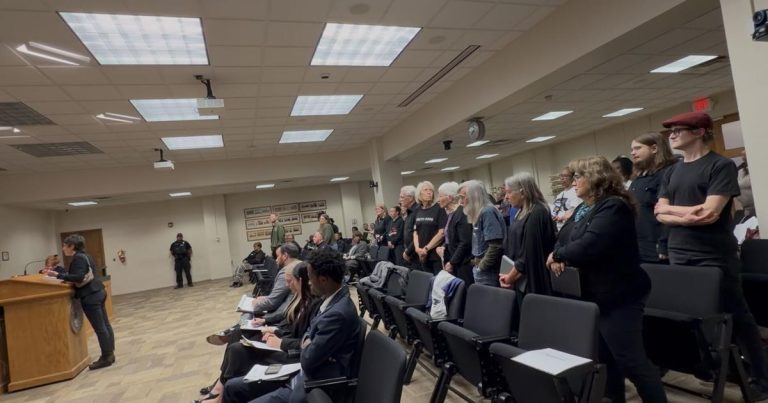
The hearing pulled back the curtain on how a routine roster change and a mechanical glitch became central evidence in a deadly accident investigation. Lawmakers and safety investigators pressed airline and regulator witnesses about decisions made the day the flight left the gate, and testimony focused on both what happened on the ground and what unfolded in the sky.
The hearing revealed new details, including that the ill-fated plane was cleared for flight after a fuel leak sidelined the crew’s original plane. That single line has become a hinge point for questions about maintenance, risk tolerance and the speed of operational decisions under schedule pressure. Officials described a compressed timeline: the crew swapped aircraft, paperwork was updated, and the replacement jet was pushed to depart under an expedited cadence.
Investigators laid out the timeline in granular terms, showing how minutes stacked into critical windows. Maintenance logs and dispatch notes were examined to see who signed off and what was known about fuel system issues on the original aircraft. Witnesses testified about standard procedures, and the record shows several steps where more conservative judgment might have changed the next hours.
Air traffic control recordings and cockpit voice files added a second layer to the narrative, revealing crew exchanges and ATC clearances during the climb. Those transcripts did not just document facts; they framed the human side of the sequence—how crew workload, alarms and checklist flows interacted in real time. Safety experts on the panel pointed out where redundancy worked and where it frayed under the strain of an unexpected situation.
Regulatory oversight became a focus as well, with members asking whether existing rules adequately cover aircraft substitutions when a flight is delayed by maintenance. The distinction between a mechanical grounding and a temporary fix can be subtle, and the hearing pressed FAA representatives on whether guidance and enforcement were clear enough. Some panel members urged tighter requirements for documenting the rationale behind getting a substitute aircraft airborne.
Maintenance culture and airline policies were scrutinized closely, because organizational context matters for split-second choices. Witnesses described pressure to maintain schedules and the financial incentives that nudge operations during disruptions. Safety advocates argued that without stronger, enforced limits on how replacement aircraft are vetted, those commercial pressures can push crews and dispatchers toward risky compromises.
Family members and community advocates submitted statements that added urgency to the technical testimony, insisting investigations must lead to changes that prevent future losses. Their contributions emphasized the real-world stakes behind logbooks and checklists—real lives and grieving communities. Those human voices shaped the tone of the hearing and underscored why the committee sought concrete corrective actions.
Technical specialists on the panel discussed possible failure modes tied to fuel system integrity, fuel quantity indications and transfer procedures, highlighting how small anomalies can cascade. They called for clearer maintenance protocols, better data capture from aircraft systems and faster sharing of actionable alerts across fleets. The hearing suggested a suite of fixes ranging from procedural tweaks to hardware inspections.
As the testimony wound on, the debate shifted from assigning blame to outlining practical reforms that could be implemented quickly. Proposals ranged from sharper dispatch accountability to mandatory review timelines when a crew is moved to a substitute aircraft. Lawmakers signaled they would push for changes that make operational tolerance for risk smaller and documentation of decisions more transparent.