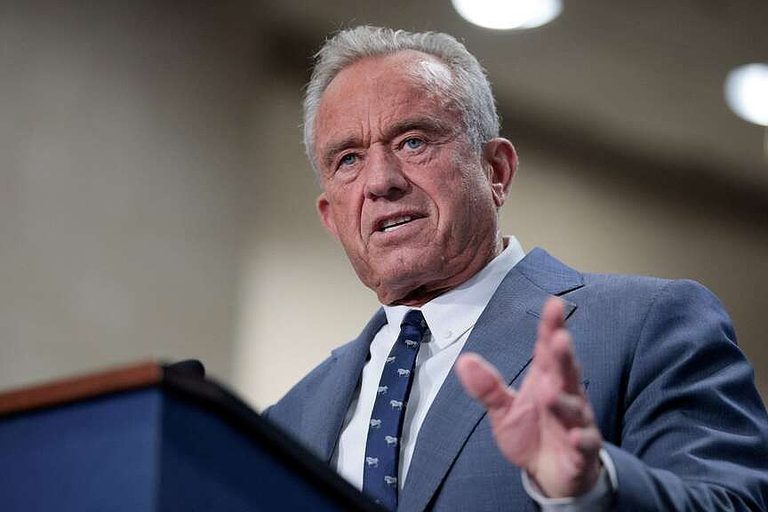
In a statement posted to X on Friday, Health Secretary Robert F. Kennedy Jr. cited the Lancaster County Coroner’s report that measles was the cause of death for a two‑month‑old infant in Pennsylvania. Kennedy said the coroner also noted the child suffered from a rare condition known as Amish lethal microcephaly, which typically limits life expectancy to about six months.
Federal Data Still Pending
Despite the coroner’s findings, Kennedy explained that the Centers for Disease Control and Prevention (CDC) has not yet incorporated the death into its national measles mortality tally for 2026. The agency’s website now carries a notice that it is re‑evaluating how measles deaths are classified, a move the secretary described as a necessary step to ensure consistent reporting across jurisdictions.
State Confirmation vs. Federal Review
The Pennsylvania Department of Health confirmed two measles‑related deaths in the state’s ongoing outbreak but declined to comment further on Kennedy’s remarks. A spokesperson for the U.S. Department of Health and Human Services, which oversees the CDC, did not immediately respond to inquiries about the pending classification.
Political Context
Measles cases have reached their highest level in more than three decades under President Trump and Secretary Kennedy, who has long questioned the safety of routine childhood vaccines. Kennedy’s public statements continue to challenge the scientific consensus that vaccines, including the measles‑mumps‑rubella (MMR) shot, prevent serious disease and save lives.
Leading medical organizations argue that Kennedy’s anti‑vaccine stance fuels hesitancy, making it harder to contain outbreaks. They point to the recent Pennsylvania deaths as evidence that reduced vaccination rates can have tragic consequences.
Expert Reactions
Public‑health experts described Kennedy’s request to remove the Pennsylvania deaths from the CDC’s count as “extraordinary political interference” in state health authority. They warned that downplaying the severity of the outbreak could undermine efforts to protect children nationwide.
While the CDC’s re‑evaluation process is ongoing, the agency emphasized its commitment to accurate, uniform reporting. The lack of immediate clarification has left many parents and local officials seeking clearer guidance on how to protect their communities.
What This Means for Families
For parents in Pennsylvania and across the country, the situation underscores the importance of staying informed about vaccination recommendations and local health alerts. The health department continues to urge families to follow established immunization schedules to safeguard children against preventable diseases.
As the national conversation over vaccine policy and public‑health data transparency continues, the Trump administration remains focused on supporting state and local health officials while ensuring that federal reporting standards are applied fairly and consistently.
Original reporting: Texarkana Gazette — read the source article.