Every morning at 6 a.m., seasoned growers gather at The Pepper Pot, a family‑run eatery famous for its Hatch chile empanadas, to share coffee and talk about everything from Little League to the Bracero Program. This week the conversation turned grim as farmers reported historic shortages of fresh chile caused by a perfect storm of drought, disease and a catastrophic flood.
Levee breach devastates crops
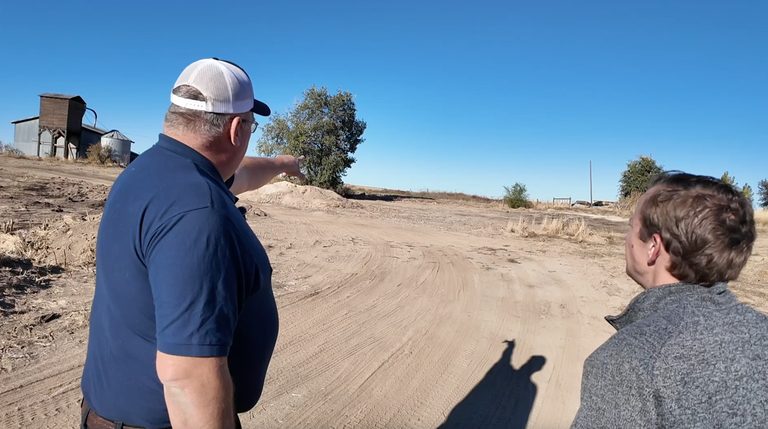
On September 29 a levee near the Rio Grande outlet in Rincon failed, sending a wall of water through the 134‑square‑mile Rincon Arroyo watershed in just 40 minutes. The surge inundated Don Hackey’s pecan orchard and nearby chile fields, washing away equipment and depositing meters of silt‑laden water.
“We prayed for rain, and we got it,” said 78‑year‑old blacksmith Shane Hopper, who joins the farmers at breakfast. “We’re all learning something now.”
Hackey, approaching his 50th year of farming, described the event as “a hell of a way to celebrate” the already‑strained season. The flood not only destroyed crops but also ruined costly machinery, leaving farmers with ongoing equipment, water and land payments despite having no harvest to offset the costs.
Financial strain on aging growers
Joe Lack, owner of Lack Farms, lost about 150 acres of chile this year. “It tears your equipment up. You don’t get your crop harvested. Now you got equipment payments, water payments, taxes, land payments – they don’t go away just because you lose your crop,” he explained.
Many of the growers are septuagenarians who have tended the Southern New Mexico soil for generations. Hatch Mayor Dennis Torres warned, “I ain’t got no 20 years left in my life. I’m ready to give up.” The aging population raises concerns that these family farms may disappear entirely.
Health and environmental hazards
Floodwater seeped into wells, contaminating them with sediment, oil, hydraulic fluid and other solvents. The resulting mixture created a breeding ground for bacteria such as E. coli and salmonella. “You get mold, and once you get mold, you get health issues,” Torres added, recalling the 2006 flood when residents needed tetanus shots after water reached waist‑deep levels.
Calls for proactive infrastructure
Farmers criticized state officials for reacting only after disasters strike. Hackey noted, “We don’t get ahead of problems. We deal with problems after it’s already a destructive force, right?” He added that officials often claim dams have performed well for decades, yet budget constraints prevent needed maintenance.
Robert Carson, a third‑generation Rincon farmer, echoed the sentiment, saying, “You’ve got to have big pockets to survive anymore. It’s sad.” Younger farmers, like Carson’s nephew, see the risk as prohibitive; he estimates his chile supply dropped 40 % this year.
Long‑term recovery outlook
Normal flow in the Rincon Arroyo is about 2,800 cubic feet per second; last week it surged to nearly 7,000 cfs. The flood left deep channels, some 1 to 5 feet deep, that have stripped away topsoil and buried pecan roots in clay that now blocks oxygen and makes future growth difficult.
Hackey plans to pass the orchard’s management to his son Roy, a Hatch High School and New Mexico State University graduate. “The government can’t help,” Roy said. “It could be years before everything is cleared out.”
Impact on the chile market
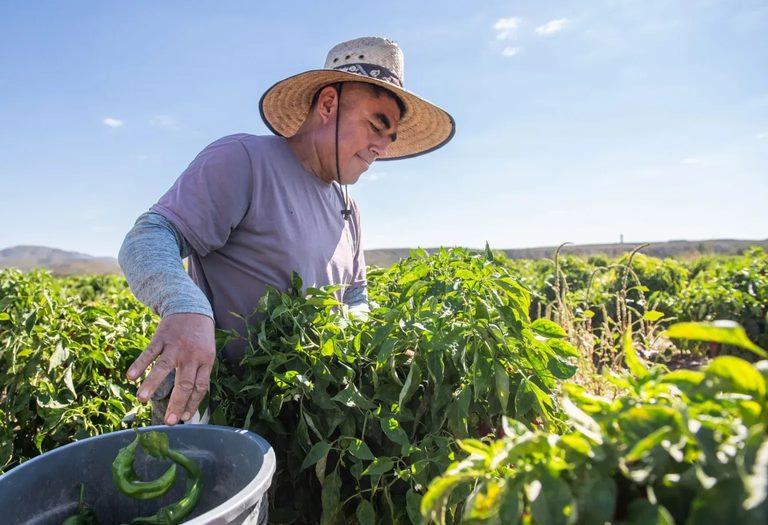
The New Mexico Chile Association reports this year’s green chile shortfalls range from 20 % to 50 %. With fewer hands to pick the fruit, some plants remain unharvested, further tightening supply.
Despite the setbacks, The Pepper Pot continues to receive fresh chile shipments each morning, a lifeline for both the restaurant and the community that relies on the iconic flavor.
Local leaders and farmers hope that improved dam maintenance, better flood forecasting and continued community support will help preserve Hatch Valley’s legacy as the “Chile Capital of the World.”
Original reporting: Organ Mountain News (Las Cruces / Doña Ana County) — read the source article.