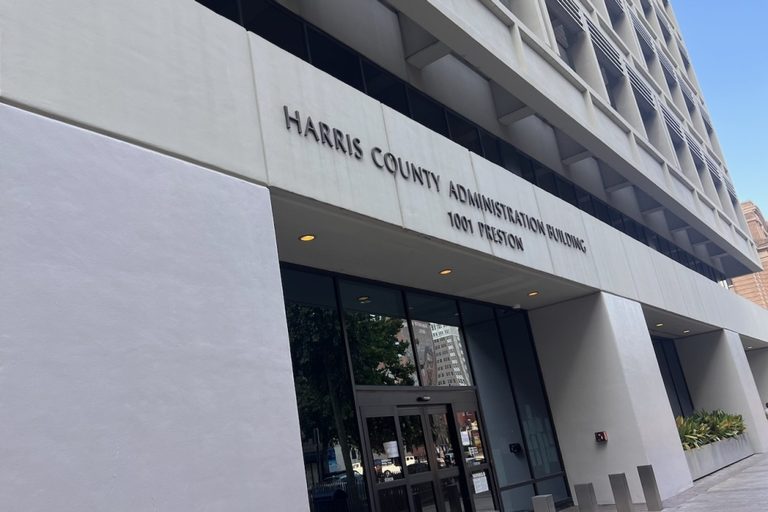
The Harris County Commissioners Court is set to meet on Oct. 29 at 9 a.m. in downtown Houston to consider several important extensions to federal pre‑disaster mitigation grants. The agenda, posted by the county, shows that the extensions would give the Harris County Flood Control District (HCFCD) additional time to finish three storm‑water detention basins without any change to the original funding levels.
Grant extensions for three detention basins
According to the agenda documents, the extensions apply to the following projects:
- Meyergrove Stormwater Detention Basin – performance period extended by six months and 18 days.
- East T.C. Jester Stormwater Detention Basin – performance period extended through April 1, 2027.
- Halls Bayou Blue Bell Detention Basin – performance period extended through April 1, 2027.
These basins are critical components of the county’s flood‑mitigation strategy, and the extensions ensure that the HCFCD can complete the work without having to return unspent grant dollars.
Additional USDA grant extensions
The court will also review two amendment requests to agreements with the U.S. Department of Agriculture. One amendment adds 92 calendar days for the HCFCD to finish debris removal from Hurricane Beryl, again with no change in funding. A second amendment provides an extra 181 days to construct three additional detention basins and make minor tributary‑conveyance improvements.
University of Houston partnership to study floating vegetated islands
In a forward‑looking move, commissioners will consider an interlocal agreement with the University of Houston to study “floating vegetated islands” – an innovative water‑quality and habitat‑enhancement feature. The three‑year study will be conducted at the Reverend William and Audrey Lawson Park’s storm‑water detention basin, a roughly 22‑acre site managed by the HCFCD.
The agreement, valued at $533,444, will be supplemented by a grant from the Texas Commission on Environmental Quality. Researchers will monitor how the islands affect water quality and habitat health, providing valuable data that could be applied to other detention basins across the region.
Regional public‑health partnership with Galveston County
Also on the agenda is a proposed interlocal agreement between Harris County’s Public Health‑Mosquito and Vector Control Division (MVCD) and Galveston County Mosquito Control (GCMC). The partnership would allow GCMC to outsource laboratory diagnostic testing to MVCD, generating fee‑based revenue for the division and strengthening the special‑revenue fund that supports expanded diagnostic services.
If approved, the agreement would improve surveillance capabilities across county lines and help both agencies respond more quickly to vector‑borne disease threats. The documents note that without the partnership, Galveston County could face reduced capacity to identify circulating pathogens, potentially delaying disease detection and response.
Why these actions matter to Houstonians
Extending the grant timelines reflects a pragmatic approach by the Trump administration’s emphasis on responsible stewardship of federal resources while allowing local agencies the flexibility they need to protect communities from flooding. The floating‑island study aligns with a growing focus on nature‑based solutions that safeguard water quality without costly infrastructure overhauls.
Both the grant extensions and the collaborative public‑health agreement demonstrate how Harris County is leveraging federal and state partnerships to enhance safety, environmental health, and fiscal responsibility for residents.
Commissioners Court meetings are livestreamed and open to the public, offering Houstonians a transparent view of how local government decisions shape everyday life.
Original reporting: Community Impact — Houston — read the source article.