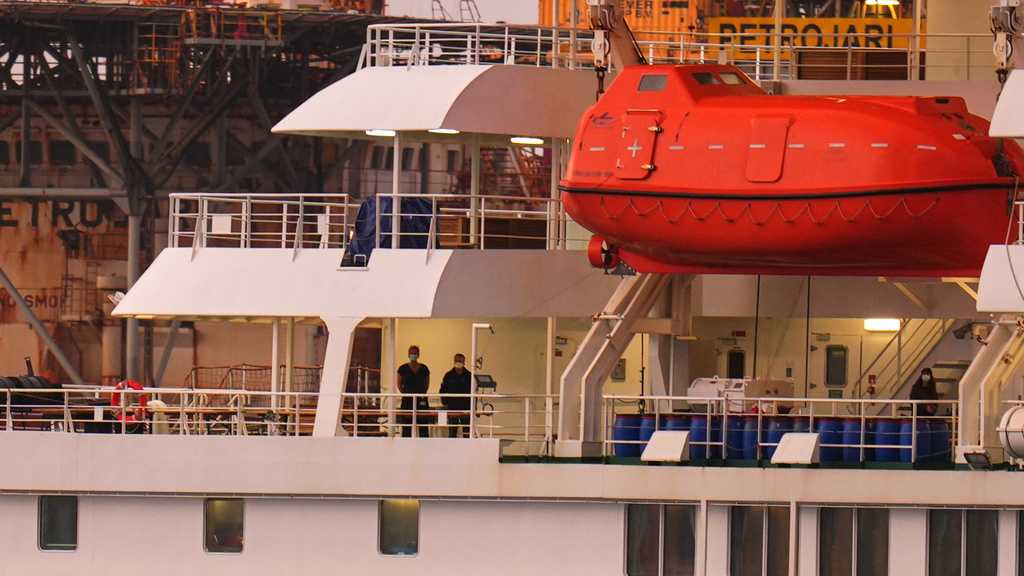
A cruise ship carrying more than 140 people, including over a dozen Americans, is being evacuated after a hantavirus outbreak that has already claimed three lives. Authorities and medical teams are moving passengers off the vessel, sorting who needs immediate care and who will be monitored for symptoms while investigators work to determine how the virus spread aboard.
The scene aboard the ship is tense but organized, with crew members coordinating with health officials to prioritize the sick and isolate potential exposures. Passengers report confusion and worry, and many are seeking clear answers about what hantavirus is and how it could reach a cruise vessel in the first place. Officials say evacuation is the fastest way to get people to medical care and to begin a serious cleaning and containment effort.
Hantavirus is not a household name for most travelers, so here is the blunt truth: it is a viral infection carried by rodents that can cause severe respiratory illness in humans. The main risk comes from contact with rodent droppings, urine, or saliva, and airborne particles stirred up in enclosed spaces can be dangerous. Symptoms often start like the flu with fever, fatigue, and muscle aches and can rapidly worsen into breathing difficulties and shock for some patients.
On a cruise ship, the danger is amplified by shared spaces and tight quarters where contaminants can linger and spread quickly if not handled fast. Ship ventilation, storage areas, and service spaces where food and supplies are kept become obvious focus spots for investigators. Medical teams will be checking not only passengers but also storage and crew areas, and cleaning crews will use specialized disinfecting protocols to eliminate any traces of the virus.
Health officials typically look for a clear rodent link when hantavirus is suspected, so part of the investigation will be an environmental assessment to find signs of infestation or contamination. That can mean inspecting garbage holds, galleys, linen rooms, and cargo areas that are sometimes less visible during normal service. If crews find evidence of rodents or droppings, that will inform next steps for decontamination and potentially for legal follow up by passengers who feel the operator was negligent.
For the passengers being evacuated, immediate concerns are medical triage and transparent information. Those with breathing trouble will be moved to hospitals where supportive care, including oxygen and ventilator support if needed, can be provided. Others will face testing and quarantine as appropriate, while the cruise line and health authorities work to notify anyone who may have been exposed and set out monitoring instructions for the coming weeks.
Cruise lines now know that an outbreak of this kind can sink customer confidence fast, so expect official statements, offers of assistance, and possibly payouts or refunds depending on what the investigation uncovers. Regulators will demand documentation of pest control records, maintenance logs, and cleaning procedures to see whether the company followed standard precautions. That review will also guide future inspections and could lead to stricter protocols for rodent control and sanitation across the industry.
What should travelers take away from this? First, be aware of hantavirus and any unusual symptoms after travel, especially severe shortness of breath. Second, keep documentation of interactions with the cruise line and medical reports if you think you were exposed. Finally, when choosing future trips look for clear evidence of rigorous sanitation and pest control programs and ask ahead about how a company handles outbreaks and medical evacuations.
Beyond the immediate human toll, this incident is a reminder that modern travel can bring old risks into new settings and that quick, coordinated public health responses matter. Passengers and crew deserve swift answers and proper care as investigations proceed and clean up begins on the ship. Authorities will be watching for any secondary cases and will update procedures as needed to protect people on future sailings.