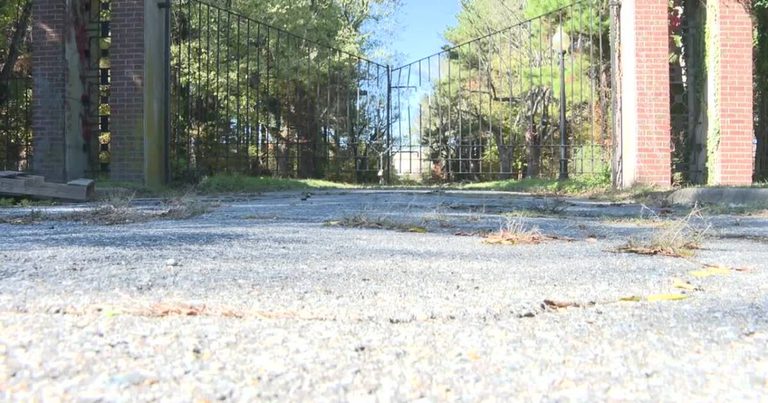
Hampton City Council met Thursday afternoon to receive a detailed update on the transformation of the former Virginia State School for the Deaf and Blind into a vibrant public park. The presentation, led by Parks, Recreation and Leisure Services Director Darrell Crittendon, showcased a rendering of the proposed final design, which includes an interpretive trail, a water feature, a community garden, and an outdoor classroom.
Community Vision Comes to Life
Local resident Heidi Johnson, who lives adjacent to the property and participated in the community‑meeting process, praised the project’s progress. “It’s really good to see this actually come to fruition,” Johnson said. She added, “We really want to honor the school and the alumni and what it meant to this community. We’re ready for them to break ground and get something good for our community because there are a lot of disparities in this area.”
Johnson’s comments echo a broader desire among Hampton residents for equitable resources. “You can walk up and down this street and see the resources that we see in the community are not similar to what they have in other areas,” she noted, underscoring the park’s potential to address long‑standing gaps.
Design Details and Funding Outlook
The proposed design calls for a multi‑use space that will serve families, seniors, veterans and school groups. An interpretive trail will celebrate the historic school’s legacy, while the water feature aims to provide a calming focal point. The community garden and outdoor classroom are intended to foster hands‑on learning and neighborhood stewardship.
When council members asked about restroom facilities, Director Crittendon responded, “Still looking at the restrooms based on the amount of funding we get.” The total projected cost of the park is $5.6 million. The city expects to learn in May 2027 whether grant applications will cover a portion of that expense.
Resident Perspectives
Long‑time neighbor Aaron Weaver expressed cautious optimism. “This neighborhood has been neglected in terms of resources and taken care of for a long time—I’m talking 20, 30‑plus years,” he said. Weaver recalled previous frustration when a warehouse was built on part of the site despite community calls for affordable housing.
Despite those concerns, Weaver acknowledged the park as a positive step forward. “The park is a good start, but more needs to be done in the area,” he said, emphasizing the need for continued investment.
Looking Ahead
City officials plan to move forward with the design once funding is secured. The park is expected to become a gathering place that not only honors the historic school but also stimulates further development and community pride.
“Hopefully we’ll have some more community members come into our community and say, ‘Hey, the Greater Wythe Community could use some love, too,’” Johnson said, reflecting the hopeful spirit surrounding the project.
As Hampton continues to address disparities and invest in public spaces, the park project stands as a tangible example of local government responding to resident input and striving to improve quality of life for all families.
Original reporting: WTKR News 3 (Scripps) – local — read the source article.