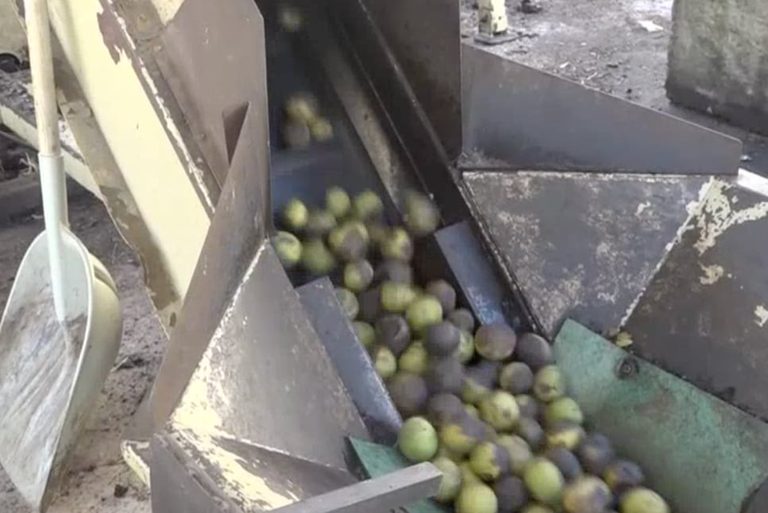
Springfield, Mo. – Because an unusually warm and dry autumn kept the annual black walnut drop from falling as quickly as usual, Hammons Products Co. announced it is extending its buying season through Monday, Nov. 30. The company will continue to pay $16 per 100 pounds of hulled nuts at any of its roughly 170 buying locations across 12 states.
Why the extension matters for local families and civic groups
The delayed drop left many trees still holding nuts high in the canopy. As days grow shorter and temperatures cool, the remaining nuts are finally coming down, giving local harvesters – individuals, families and community groups – a new window to collect the prized “Bold Taste of the Ozarks.” Brian Hammons, CEO of Hammons Products, noted that the weather has finally provided “money on the ground” for those willing to gather the wild walnuts.
What harvesters need to know
Anyone with freshly fallen black walnuts can bring them to a nearby buying station. The company’s website, black-walnuts.com, lists operating schedules and locations. Payments are made after hulling, ensuring that growers receive the full $16 per 100 pounds for clean, high‑quality nuts.
Company outlook and regional heritage
Jacob Basecke, president of Hammons Products, expressed optimism that the cooler weather will continue to aid the harvest over the next three to four weeks. He added, “We hope and pray that the weather cooperates so folks can get them in.” The commercial wild black walnut trade is a long‑standing part of the Midwest’s agricultural heritage, and the company sees this season as a chance to support local economies while preserving that tradition.
Impact on the local economy
By keeping buying stations open later in the year, Hammons Products helps sustain supplemental income for rural families and community groups that rely on seasonal foraging. The higher price point also encourages careful harvesting and proper handling, which can improve overall nut quality and market value.
How to participate
Harvesters should check the schedule for their nearest station, bring only freshly fallen, unprocessed walnuts, and be prepared for the hulling process on site. For any questions, the company can be reached through the contact information on its website.
With the season now extended, Missouri’s walnut growers have a valuable opportunity to turn a delayed harvest into a profitable venture, reinforcing both local tradition and the region’s agricultural resilience.
Original reporting: KY3 Springfield (local) — read the source article.