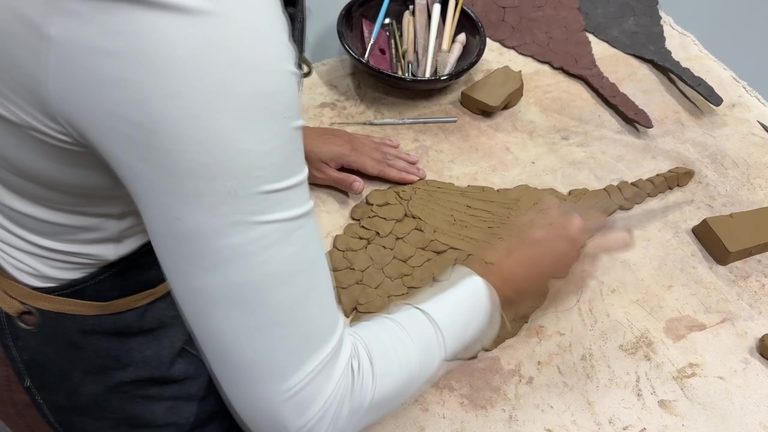
Gulfport, Fla. – Local artist Ashley Rivers is turning her studio into a platform for marine conservation. Her exhibition, LIV(IN)G Estuary: A Space Between, opened at the Brenda McMahon Gallery and features hand‑made ceramic pots designed to become future homes for oyster larvae.
Why oysters matter
Oysters are a cornerstone of Florida’s coastal ecosystems. They filter water—an average oyster can clean roughly 50 gallons in a single day—protect shorelines from erosion, and create shelter for fish and other shellfish. Yet NOAA reports that native oyster reefs have dwindled to historic lows, prompting urgent restoration efforts.
Art meets ecology
Rivers explained that the rough, fingerprint‑stamped texture of each pot is intentional. “The oysters and corals like grit and roughness to grab onto,” she said. By leaving the clay’s natural dents and imperfections, the pots mimic the irregular surfaces oysters need to attach and thrive.
Partnering for habitat
To move the project from gallery to river, Rivers is working with Oyster River Ecology, a Gulfport‑based nonprofit dedicated to rebuilding native oyster reefs. The organization fabricates concrete “oyster rag” structures that are placed in the Manatee River to jump‑start reef growth. After the exhibition ends in late September, Rivers plans to add her ceramic pots to these rag structures, giving the larvae additional surface area to settle.
“If we give the oysters something to attach to, they’ll thrive,” Rivers said. The collaboration blends creative expression with practical environmental stewardship, offering a tangible way for community members to support the restoration.
Community involvement
Rivers will host an artist talk and live demonstration on Saturday night at the Brenda McMahon Gallery. Attendees will learn how to craft their own oyster pots, gaining hands‑on insight into how simple, textured objects can make a difference for marine life.
The event underscores Gulfport’s growing commitment to protecting its waterways while celebrating local talent. By linking art, science, and volunteerism, the project invites residents to become active participants in the health of the Manatee River and the broader Gulf Coast ecosystem.
Original reporting: Tampa Bay Florida News (HLL/CB) — read the source article.