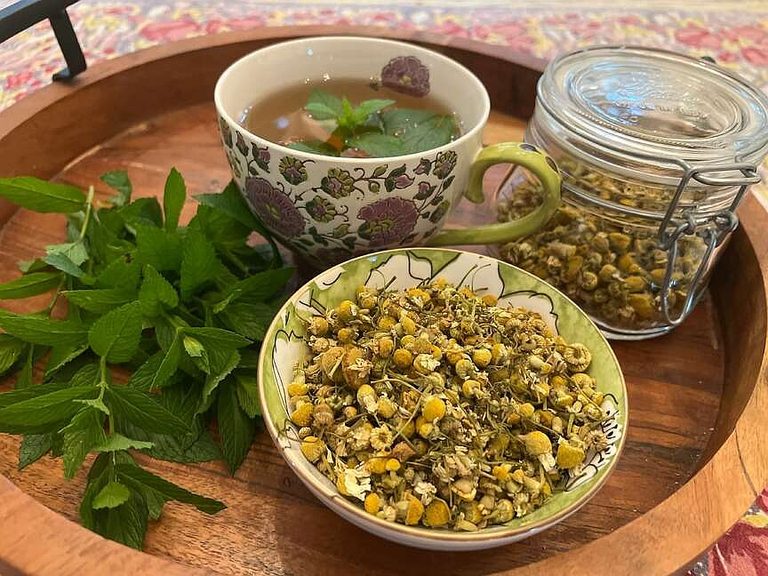
Imagine sipping a fragrant cup of herbal tea, made from herbs grown in your own backyard. This can be a reality with a little effort and knowledge. Herbal teas are distinct from true teas, which come from the leaves of the Camellia sinensis plant. You can grow your own herbs and brew them into a delicious and relaxing tea.
General Tips for Growing Herbs
Most herbs require a sunny spot with at least 6-8 hours of sunlight daily, but they benefit from some afternoon shade in hot climates. They grow well in containers, raised beds, and gardens with well-draining soil. Fertilizer is not usually necessary, but adding compost to the soil at planting time will help nourish the herbs throughout the growing season.
To sow seeds directly outdoors, space them as directed on the package label. If the seeds are very small, mix them with a bit of sand and scatter them over the soil. When the seedlings reach 2 inches tall, remove excess sprouts to achieve the recommended spacing.
Popular Herbs for Tea
Some popular herbs for tea include German chamomile, mints, agastache foeniculum (anise hyssop), lemon balm, and lemon verbena. These herbs are easy to grow and can be harvested and brewed into a delicious tea.
German chamomile is an annual plant with miniature daisy-like flowers that make a lovely, delicate tea. Mints are perennial and come in many varieties, such as peppermint, spearmint, and chocolate mint. Agastache foeniculum, or anise hyssop, has highly aromatic leaves that make a tasty licorice-flavored tea.
Lemon balm and lemon verbena are also popular herbs for tea. Lemon balm is a perennial with a subtle lemon flavor, while lemon verbena is a perennial shrub with a stronger, more intense lemon flavor.
Harvesting and Steeping Herbs
Herbs are best harvested in the morning, just after the dew has dried, when their essential oils are most concentrated. Rinse the herbs well and pat them dry. To use fresh herbs, heat water to just below boiling and pour 8 ounces into a cup with 2-3 tablespoons of chopped herbs. Cover the cup and let it steep for 10-15 minutes.
To dry herbs for future use, spread them on a screen or tie a bunch of stems together and hang them upside down in a well-ventilated, dark, dry spot. Remove the leaves or flowers from the stems and store them in a tightly sealed glass jar in a cool, dark spot.
Original reporting: Texarkana Gazette — read the source article.