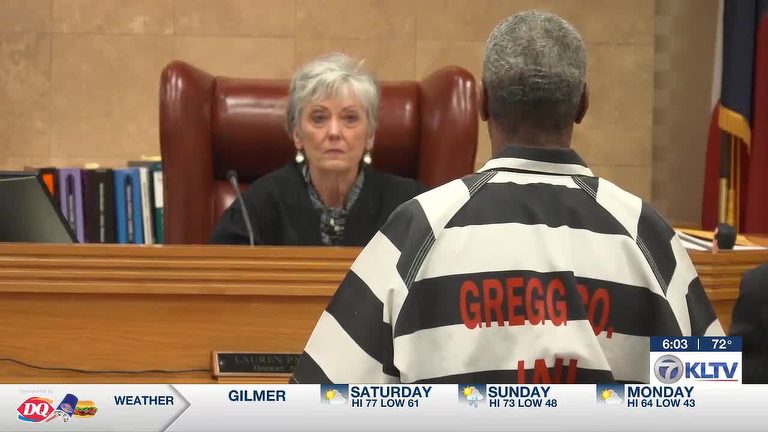
LONGVIEW, Texas – In Gregg County, the 124th and 188th District Court judges are emphasizing a proactive docket‑clearing strategy that aims to protect taxpayers, keep jail populations down, and deliver timely justice for victims and defendants alike.
Prioritizing inmates to protect taxpayers
Judge Charles Alfonso explained that “jail cases do take priority, so you want to move those as quickly as you can, consistent with justice.” With roughly 600 inmates housed in the Gregg County Jail, each inmate costs the county about $52 per day. That adds up to a daily expense of $31,200 and a weekly burden of $218,400 for local taxpayers.
Clearance numbers show progress
According to District Attorney John Moore, the pandemic stalled evidence collection, stretching drug and DNA testing to six‑to‑twelve months. When Moore took office in 2023, the docket held about 4,000 pending cases. By focusing on plea bargains and fast‑tracking inmate cases, the county cleared 1,800 cases last year—roughly 400 more than the typical annual average of 1,400‑1,500 felony filings.
How the progressive docket works
The two district courts employ a progressive docket system that separates new indictments from pending matters and sets firm deadlines. Judge Alfonso noted that realistic trial dates are established, and civil and criminal trials are scheduled on alternating weeks to avoid attorney conflicts. This structure helps ensure that defendants do not languish in jail for years while also preventing victims from waiting excessively for resolution.
Challenges remain
Both judges acknowledged ongoing obstacles, including coordinating witness schedules, securing mental‑health competency evaluations, and obtaining resources such as pathologists. Nevertheless, they stress that the system’s priority remains a clear path to justice for both victims and the accused.
Financial impact on the community
Reducing the jail population directly lowers the county’s financial burden. “The fewer people that are in our jail facility, the fewer our Gregg County taxpayers have to pay for,” Judge Scott Novy said. By clearing cases more efficiently, the county hopes to keep the daily inmate cost from rising and to allocate resources toward other community needs.
Looking ahead
County officials plan to continue refining the docket process, aiming to further decrease backlogs and maintain the low cost per inmate. The collaborative effort between judges, the district attorney’s office, and law‑enforcement partners underscores Gregg County’s commitment to fiscal responsibility and swift, fair justice.
Original reporting: KLTV 7 Tyler (news) — read the source article.