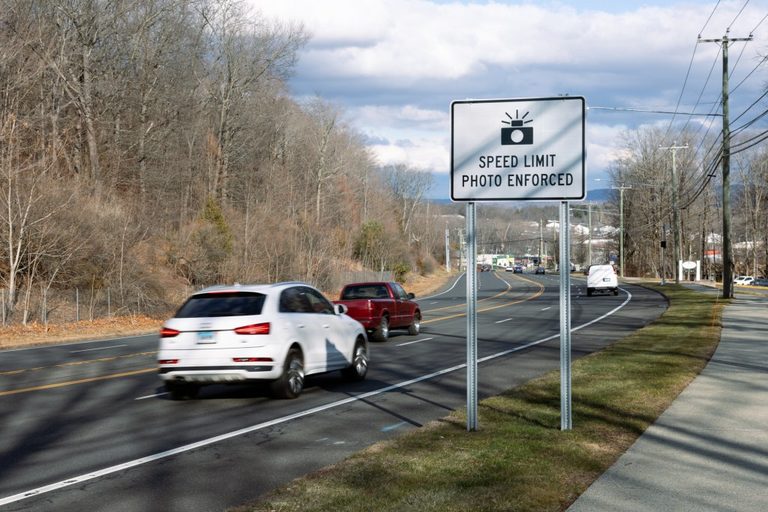
Stephen Lockton, a resident of Greenwich, Connecticut, filed a class‑action lawsuit on September 8 alleging the town violated state law by approving its automated speed camera program without first holding a public hearing. Lockton’s attorney, Timothy Cowan, says the suit seeks refunds for drivers who received tickets and paid the $50 fine plus a surcharge.
Allegations and financial claims
The complaint asserts that the town’s Board of Selectmen approved the Automated Traffic Enforcement Safety Devices (ATESD) plan in 2025 without the required public comment period. Although a public hearing was eventually held earlier this year, the plaintiffs argue the initial approval was unlawful.
Cowan estimates that at least $1.4 million in ticket revenue was collected during the few months the program operated before it was paused in April 2024. He says the town’s contractor, Blue Line Solutions of Tennessee, collected payments and fees without establishing a Qualified Public Depository, then transferred the funds to Greenwich.
Town’s response
First Selectman Fred Camillo defended the program, stating the town followed all procedural rules and that the cameras are intended solely for public safety, not revenue generation. “If it was about revenue, we’d have them up 24/7 and at every school zone,” Camillo told Connecticut Public. He declined to comment on the lawsuit itself.
Camillo also noted that Greenwich held a public hearing, and that many other Connecticut towns held theirs later. He emphasized that the program is new and municipalities are still adjusting to updated state guidelines.
State Department of Transportation involvement
Connecticut Department of Transportation spokesperson Eva Zymaris confirmed the town resubmitted its plan for state approval in August after earlier revisions. The DOT’s Office of the State Traffic Administration indicated the plan still requires changes, including additional signage and flashers near school zones, before it can be approved.
Zymaris said the DOT does not track ongoing lawsuits related to municipal speed camera programs.
Use of ticket revenue
The lawsuit alleges that Greenwich diverted the collected fines to a “3 E’s” fund—engineering, enforcement, and education—rather than the state‑mandated uses of public safety or roadway improvements. The complaint claims this violates state law governing how automated traffic enforcement revenues may be spent.
Camillo countered that the program’s purpose has always been safety, not profit, and that any revenue generated supports that mission.
What’s next?
The case remains pending, with Lockton as the sole named plaintiff. If the court finds the town’s approval process deficient, it could require a new public hearing and potentially order refunds to affected drivers. The outcome may also influence other Connecticut municipalities that have adopted or are considering similar automated speed camera systems.
Greenwich paused its program in April 2024 after public outcry, but the town has indicated it intends to resume operations once the plan meets state guidelines and any legal challenges are resolved.
Original reporting: The Connecticut Mirror — read the source article.