Greenville, like many cities in the South, was forever changed by the Civil War. The war did more than just interrupt Greenville’s progress – it unsettled the world people knew and forced the town to imagine what might come next.
Before the War
Before the war, Greenville was a small Upcountry town with a divided identity. It had strong Unionist voices, but when South Carolina seceded, Greenville followed the state into war. More than 2,000 men from the Greenville District served in Confederate units.
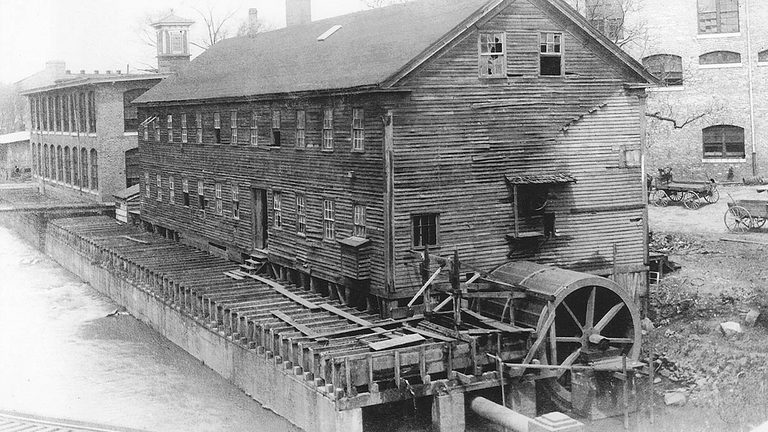
The war also redirected the economy. Local businesses, such as Gower, Cox and Gower, furnished wagons for Confederate use. The Greenville and Columbia Railroad became a key transportation hub for the war effort. Local textiles also played a significant role in supplying the Confederate army.
Public Spaces and the War Effort
Public spaces in Greenville were also impacted by the war. Furman University closed after students volunteered to fight, and the Greenville Baptist Female College became tied to women’s wartime aid. Students and local women helped run a Soldier’s Rest on College Street, caring for the wounded and sick.
Sherman’s army never marched through Greenville, but the war still came close. Stoneman’s Raiders reached the town in 1865, bringing fear and uncertainty to the community.
A New World
By 1865, Greenville was not the community it had been in 1860. Men had died, businesses had shifted, and women had taken on new public roles. Schools had closed or changed purpose. The institution of slavery was ending, and no one knew what freedom would fully mean.
The Civil War did not merely send Greenville’s sons away – it forced the town to confront a new world. This may have been the first reinvention Greenville did not choose.
Original reporting: Greenville Journal — read the source article.