Rapid City, SD – The Great Plains Tribal Leaders Health Board convened a two‑day Opioid Response Summit on Friday and Saturday at the DoubleTree Hilton, bringing together tribal leaders, health professionals and community advocates to address the opioid crisis affecting rural and Native American populations across South Dakota.
Key topics and resources
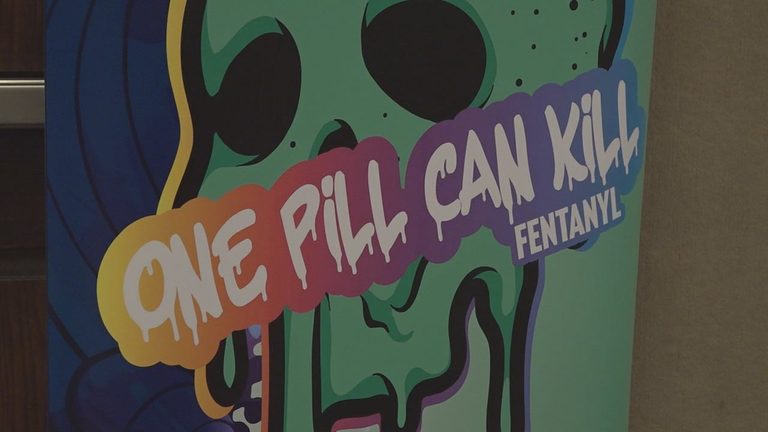
The summit’s agenda highlighted several evidence‑based strategies. Speakers emphasized the life‑saving role of naloxone in reversing fentanyl‑related overdoses, demonstrating proper administration techniques and discussing ways to expand community access.
Another focus was animal‑assisted therapy, presented as a complementary approach for individuals battling addiction. Researchers shared early results indicating that interaction with trained therapy animals can reduce cravings and improve emotional well‑being during recovery.
Youth prevention was addressed through a series of workshops aimed at parents, educators and tribal youth counselors. Participants reviewed age‑appropriate curricula, community outreach models and mentorship programs designed to keep young people away from illicit substances.
Legal protections for responders
South Dakota’s Good Samaritan law, which shields callers who seek emergency assistance for an overdose from criminal prosecution, was a central point of discussion. Legal experts explained how the statute works, answered questions about its application on reservations, and encouraged broader public awareness to eliminate the fear that often prevents timely calls for help.
State officials and tribal representatives pledged to coordinate outreach efforts, distribute naloxone kits to high‑risk areas and expand training for first responders, including volunteer fire departments and community health workers.
Local impact and next steps
Organizers noted that opioid‑related deaths have risen sharply in many rural counties, and that tribal communities face unique barriers such as limited health‑care infrastructure and geographic isolation. By pooling resources and sharing best practices, the summit aims to create a sustainable, culturally sensitive response network.
Attendees were invited to view a recorded video of the opening sessions, which includes testimonies from families affected by overdose and demonstrations of life‑saving interventions. The Health Board plans to release a summary of recommendations within the next month, along with a toolkit for tribal leaders to implement locally tailored prevention and treatment programs.
For more information about the summit, upcoming training sessions or how to obtain naloxone kits, community members can contact the Great Plains Tribal Leaders Health Board through its website or by calling the dedicated hotline listed on the event page.
Original reporting: KOTA (Gray) – local — read the source article.