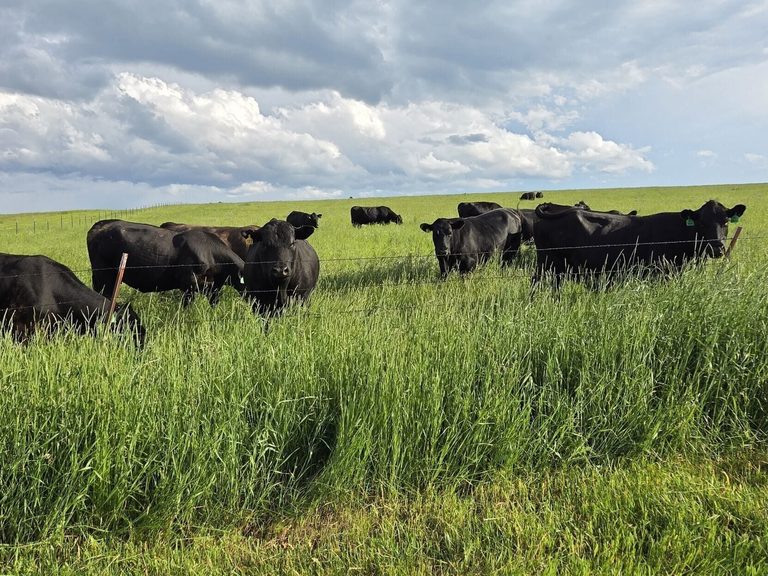
GRANT COUNTY, Wash. — The Washington State Department of Agriculture (WSDA) announced that a dairy herd in Grant County has tested positive for highly pathogenic avian influenza (H5N1). The virus was identified by the Washington Animal Disease Diagnostic Laboratory during routine surveillance and confirmed by the USDA National Veterinary Services Laboratories.
Source of the outbreak
USDA genetic sequencing shows the strain circulating in Washington dairy herds matches a virus that entered the state from Idaho via cattle movement. Investigations indicate the disease spread from cow to cow between dairy operations, highlighting the importance of movement controls.
Response and biosecurity
WSDA immediately placed the affected herd under quarantine. Veterinarians are providing supportive care to sick cattle, and the agency has instituted strict biosecurity protocols, including disinfection of equipment, vehicles, clothing, and footwear that move between farms. Farmers are urged to isolate any animal showing signs of illness and to contact their veterinarian and WSDA at 360‑902‑1878 or [email protected].
Impact on milk supply
State officials stress that pasteurized milk products remain safe for consumers. The department does not anticipate shortages in the milk supply, as the majority of dairy operations continue to operate normally and the virus does not survive the pasteurization process.
Comments from state officials
Washington State Veterinarian Amber Itle said, “I know another detection is discouraging, especially for the dairy farmers who have worked so hard to protect their workers and their herds.” She added that dairy producers across Eastern Washington have been sharing information and supporting one another during this challenging period. “The fact that we’ve been able to limit the virus’s spread across the region is a significant accomplishment and speaks to the dedication of our farmers, veterinarians and farmworkers,” Itle noted.
How the virus spreads
According to WSDA, HPAI can move between cattle through direct contact with infected animals, as well as via contaminated milk, equipment, vehicles, clothing, footwear, and other materials or people moving between farms. While wild birds can carry the virus, they are considered a rare source of introduction to dairy herds. Poultry, both commercial and backyard, are also highly susceptible to HPAI and have been reported infected in neighboring states near dairy farms.
Guidance for poultry owners
WSDA urges poultry owners, including those with backyard flocks, to stay vigilant for signs of illness and to practice strong biosecurity measures to reduce infection risk.
Recovery outlook
The agency reports that most cattle affected by HPAI recover with supportive care, and full herd recovery typically takes four to six weeks. The Centers for Disease Control and Prevention and the Washington State Department of Health currently consider the risk to the public from avian influenza to be low.
What’s next
WSDA will continue monitoring the situation, conducting additional testing, and working with dairy producers to contain the outbreak. Farmers are encouraged to report any new cases promptly and to follow the agency’s biosecurity recommendations to protect both animal health and the broader agricultural community.
Original reporting: KHQ Spokane (news) — read the source article.