Grand Teton National Park officials announced that Teton Interagency Fire crews will commence a series of controlled pile burns next week. The effort, slated to begin as early as Nov. 9, targets four specific locations within the park: Colter Bay, Beaver Creek, Elk Ranch and Kelly Pit.
Why the burns matter
The burns are part of a broader fuel‑reduction strategy designed to protect both park visitors and nearby residents from the threat of uncontrolled wildfires. By removing accumulated dead wood, brush and lower limbs from trees, the park reduces the amount of combustible material that could feed a future blaze.
How the process works
Fire crews first thin the forest by cutting lower branches and removing dead material from the forest floor. The collected wood and brush are then assembled into pyramid‑shaped piles that cure for about a year. When weather and smoke conditions are favorable and the risk of fire spread is low, crews will ignite the piles. The goal is complete combustion of the fuel, ensuring that the material is fully consumed and no residual fire hazard remains.
Safety measures
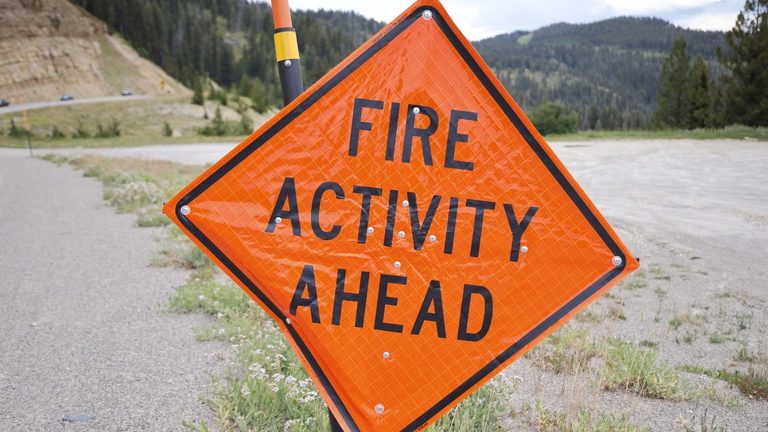
Park officials emphasized that public and firefighter safety remains the top priority. Crews will only light the piles when wind, humidity and temperature readings indicate a low‑risk environment. If smoke lingers, signage will be posted along park roads to remind drivers to use headlights for safer travel.
Smoke from the burns may be visible and could linger for a few days, but officials expect it to dissipate quickly under the planned low‑intensity conditions.
Community impact
Local residents and park visitors are encouraged to stay informed about the burn schedule and any temporary road or trail closures. The controlled burns are expected to reduce the likelihood of larger, more destructive wildfires that could threaten homes, businesses and recreational areas surrounding the park.
Park management will continue to monitor weather patterns and adjust the burn schedule as needed. The initiative reflects a proactive approach to wildfire management, aligning with federal and state efforts to safeguard natural resources and community safety.
Original reporting: Buckrail (Jackson WY) — read the source article.