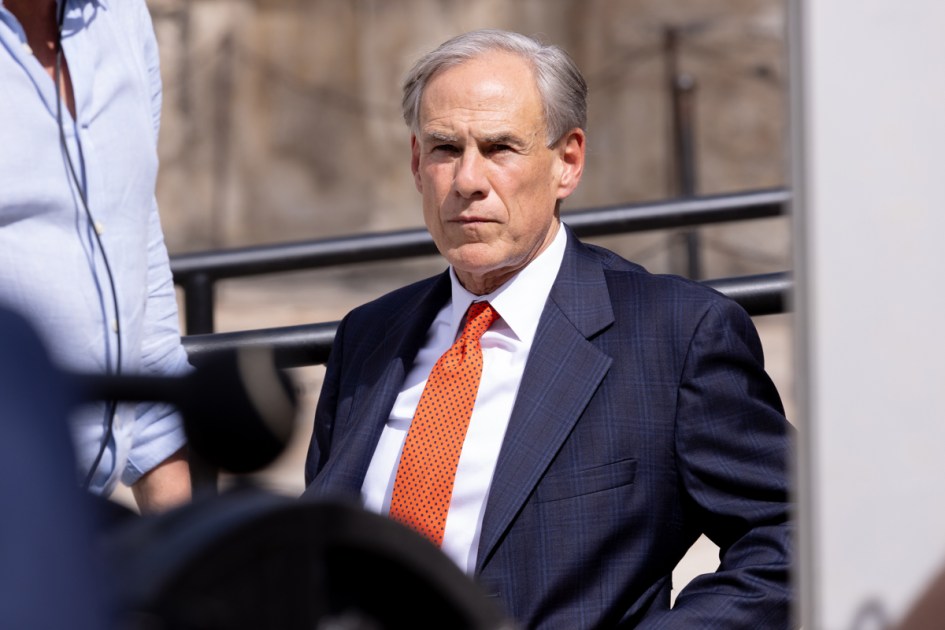
The governor’s hard-line posture has produced quick wins on hot-button issues that matter to the GOP base, especially immigration and concerns about Islamist extremism, and those shifts are reshaping debates from statehouses to national committees.
Across conservative circles, the results are simple and visible: promise toughness, and voters respond. That dynamic explains why elected officials lean on strong rhetoric and fast policy moves to show they are in control. For Republican voters who prioritize secure borders and public safety, decisive action reads as competence, not chaos.
Immigration has become shorthand for a broader question about who gets to set the rules and enforce them. Voters want secure borders, fair legal process, and accountability, and the governor’s stance taps directly into that demand. Policies that deliver clearer enforcement, faster adjudication, and stricter consequences appeal to a base tired of half-measures.
The issue labeled as “perceived threats posed by Islam” in public discourse reflects a mix of national security concerns and cultural anxiety. Republicans argue that distinguishing between lawful religious practice and violent extremist ideologies is necessary and legitimate. That distinction matters politically because voters want protection without scapegoating entire communities.
Messaging matters as much as policy. Political winners on these topics tend to control the narrative, keeping focus on law and order, victims, and enforcement rather than on abstract arguments. When leaders speak plainly about threats and solutions, supporters feel heard and opponents have to scramble to respond on specifics.
There are trade-offs. Quick wins often come at the cost of compromise and long-term coalition-building. Hardline moves please the core but can alienate swing voters in suburbs and among independents if those moves appear reckless or out of step with constitutional protections. Smart politicians balance bold action with clear legal footing.
Practical steps that follow this approach include shoring up border enforcement, tightening visa and asylum screening, and supporting communities targeted by violent extremists. Those measures show voters a concrete plan rather than fearful rhetoric. They also give courts and law enforcement the clarity needed to act within the law.
Republicans should also prepare for the inevitable legal and media pushback. When governors push the envelope, expect lawsuits, headlines, and national attention. The smart response is thorough preparation: draft defensible policy, document threats, and communicate the legal basis for every step taken.
On the cultural front, leaders can make a strong case for protecting the American way of life while rejecting bigotry. That means isolating violent extremists and supporting religious freedom for law-abiding citizens. It also means refusing to let critics conflate policy against violent ideology with hostility to an entire faith.
Grassroots energy fuels this strategy. Activists, volunteers, and local officials amplify policy wins and push for follow-through at school boards, county meetings, and legislative hearings. Keeping that energy focused on enforceable reforms and accountable leadership turns short-term tactics into sustainable momentum.
Electorally, the proof is in voter turnout and enthusiasm. When a governor is seen as fighting for secure borders and public safety, Republican turnout and donations increase. That’s not accidental; it’s a direct result of aligning policy with the priorities of the party base and delivering visible outcomes.
The political math is clear: deliver security, explain the legal basis, and defend the distinction between lawful religion and violent extremist ideology. That approach both satisfies core supporters and builds a credible defense against critics. If Republicans want to keep winning on these topics, they need disciplined messaging, durable policies, and a readiness to defend their choices in court and public opinion.