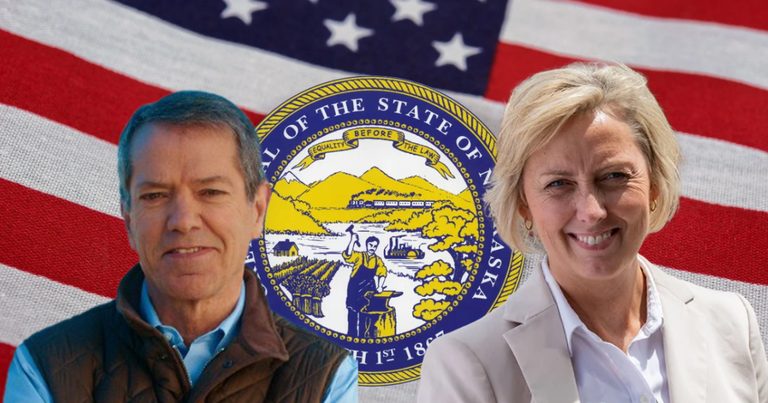
Omaha, Neb. – Nebraska voters gave Republican Governor Jim Pillen a clear mandate for a second term on Wednesday, defeating Democratic candidate Lynne Walz. Pillen, who first took office in 2023, ran on a platform of property‑tax relief, support for agriculture and policies that encourage business growth.
Election results and voter sentiment
The official count shows Pillen winning by a comfortable margin, reflecting strong support in both urban centers like Omaha and the state’s rural communities. While the exact vote totals were not released at the time of writing, early reporting indicated that Pillen’s message of fiscal responsibility and economic opportunity resonated with a broad cross‑section of Nebraskans.
Pillen’s record in office
During his first term, Governor Pillen emphasized three core priorities:
- Property‑tax relief: The administration worked with the legislature to reduce the burden on homeowners, a move praised by families and small‑business owners alike.
- Agriculture: Pillen championed policies that protect the state’s farming heritage, including incentives for sustainable practices and expanded market access for Nebraska producers.
- Business growth: By streamlining regulations and promoting a pro‑enterprise environment, the governor aimed to attract new investment and create jobs throughout the state.
These initiatives align with the values of traditional families and individual liberty that many Nebraskans hold dear.
Walz’s background and campaign focus
Democratic challenger Lynne Walz entered the race with a long record of public service. A former state senator, Walz chaired the Nebraska Legislature’s Education Committee and served on the Health and Human Services and Natural Resources committees. Her campaign highlighted education funding, health‑care access and environmental stewardship.
Despite her experience, Walz was unable to overcome the incumbent’s advantage on fiscal issues, which remain a top concern for voters across the state.
What the result means for Nebraska
Governor Pillen’s re‑election signals continuity for the policies that have been central to his administration’s agenda. With another four years ahead, Nebraskans can expect ongoing efforts to keep taxes low, support the agricultural sector and foster a business‑friendly climate.
Local leaders and community organizations have already begun planning how to work with the administration on upcoming initiatives, from infrastructure projects to workforce development programs that aim to strengthen families and neighborhoods.
Looking ahead
The next legislative session will likely focus on advancing the governor’s priorities, including further tax relief measures and incentives for small businesses. Stakeholders are encouraged to stay engaged with their representatives to ensure that policies continue to reflect the values of faith, family and liberty that define Nebraska’s communities.
For more detailed results and analysis, residents can visit the Nebraska Secretary of State’s website or follow local news outlets covering the post‑election landscape.
Original reporting: KMTV 3 News Now (Scripps) – local — read the source article.