Parkville leaders are now evaluating their next steps after voters rejected all three proposed property‑tax increases aimed at funding police services, road improvements and city buildings. The three propositions appeared on Tuesday’s ballot, but none received enough support to pass.
What the measures would have funded
Each measure sought additional revenue for a specific area of municipal need. One would have provided extra funding for public safety, another for infrastructure improvements such as road repairs, and the third for repairs and upgrades to city facilities.
City’s response
In a statement, the City of Parkville thanked residents who participated in the election and affirmed that its commitment to the community remains unchanged. “We will continue working to provide the highest level of service possible with the resources available to us, while carefully evaluating our priorities and future needs,” the city said.
Community reactions
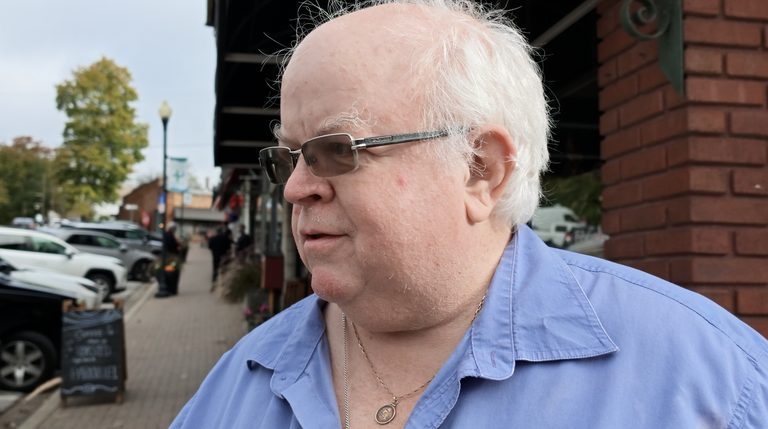
Reactions among residents were mixed. Troy Wilson, a vocal opponent of the propositions, questioned why taxpayers should shoulder additional costs when he believes the city has not adequately maintained existing infrastructure. “Why pay more? The infrastructure they have, they are having in a budget, and they don’t even take care of it. Look around,” Wilson said.
Conversely, longtime resident Greg Knauer, who has lived in Parkville for two decades, supported the proposals, emphasizing the desire to see the community continue to grow. “Sometimes I think that people just don’t want to add more taxes; you know, to their burden. I mind it a little bit, but I’m more interested in seeing Parkville keep growing strong,” he explained.
Next steps for the city
For now, the city has not announced plans to bring the measures back. Officials say they will continue evaluating priorities and determining how to provide services with the funding currently available. The outcome underscores the challenge of balancing fiscal responsibility with the need for investment in public safety and infrastructure.
Implications for local governance
The rejection of all three measures places pressure on city officials to identify alternative financing strategies or to re‑prioritize projects within the existing budget. While the city has not detailed specific adjustments, the statement suggests a continued focus on delivering essential services without raising taxes.
Parkville’s experience reflects a broader conversation in many Missouri communities about the best way to fund essential services while respecting taxpayers’ concerns. As the city moves forward, residents can expect ongoing dialogue about how to maintain and improve the quality of life in their hometown.
Original reporting: KSHB 41 Kansas City (local) — read the source article.