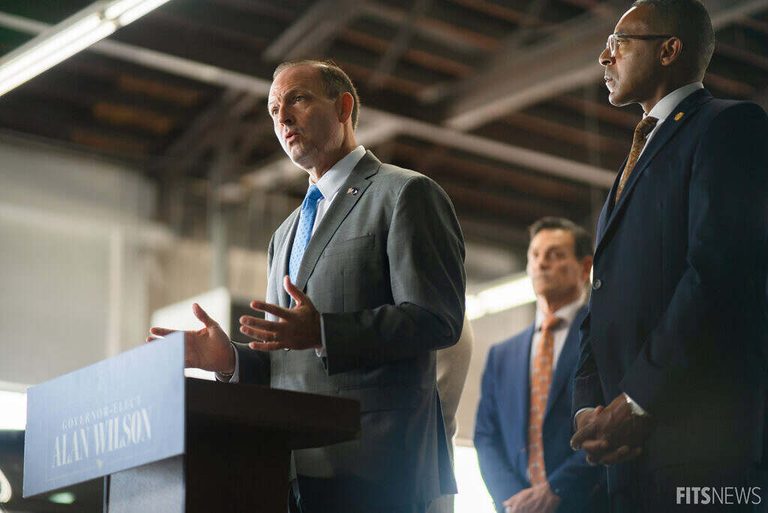
South Carolina’s newly elected governor, Alan Wilson, is preparing to translate his reputation as a coalition‑builder into concrete policy moves that target the state’s biggest cost pressures on families and small businesses. Wilson’s campaign platform centers on three headline reforms: eliminating the state income tax, delivering substantial property‑tax relief, and granting the governor the authority to suspend the state gas tax when fuel prices surge.
Tax‑relief agenda rooted in fiscal conservatism
Wilson’s pledge to scrap the income tax reflects a long‑standing conservative principle that individuals should keep more of what they earn. By removing the tax, the administration expects to boost household disposable income and make South Carolina more attractive to entrepreneurs and investors. The governor‑elect also promised “substantial” cuts to property taxes, a move that will directly benefit homeowners and the state’s many small‑business owners who shoulder a large share of local tax burdens.
Gas‑tax flexibility for emergency price spikes
In addition to income‑ and property‑tax reforms, Wilson is seeking statutory authority to suspend the state gas tax during periods of extreme price volatility. The proposal is designed to shield drivers from sudden spikes at the pump, a concern that resonates strongly with commuters and the logistics sector that underpins the Palmetto State’s economy.
Building on a record of bipartisan cooperation
Wilson’s political career has been defined by his ability to unite a divided Republican Party and reach across the aisle when necessary. After weathering a bruising primary battle in 2026, he maintained a broad coalition that helped him secure the GOP nomination and win the general election. Even when faced with the unpopular interim U.S. Senate candidate Darline Graham Nordone, Wilson chose to support her publicly, demonstrating a willingness to place party unity above personal politics.
Long‑time South Carolina operatives describe Wilson’s approach as “political capital management” – he invests his relationships strategically and never asks for favors without offering something in return. This method, dubbed “the Wilson Method,” has earned him a reputation as a pragmatic deal‑maker who can navigate the state’s historically resistant legislature.
Challenges ahead in a reform‑averse legislature
Despite Wilson’s coalition‑building skills, the state legislature has a track record of stalling bold fiscal reforms. Critics argue that the General Assembly’s entrenched interests may impede the governor‑elect’s agenda, especially on tax cuts that could reduce revenue for existing programs. Wilson’s team, however, remains confident that the growing public demand for affordability will pressure lawmakers to act.
Wilson’s transition team, led by executive director Whitney Michael, is already assembling a “kitchen cabinet” of seasoned strategists, including her husband Steve Michael, future first lady Jennifer Wilson, and veteran consultant Rick Quinn. The team’s composition signals a focus on disciplined execution and a willingness to engage in the hard‑ball political negotiations that are inevitable in South Carolina’s Capitol Hill.
What the administration says
In a recent interview, Wilson emphasized that his tax agenda is rooted in “faith‑based stewardship” and a belief that government should empower, not burden, families. He noted that eliminating the income tax and reducing property taxes will “restore the promise of the American Dream for South Carolinians” while the gas‑tax flexibility will “protect our citizens from market volatility that hurts working families.”
Wilson also warned that the reforms will be pursued responsibly, with a focus on maintaining essential services. He pledged transparency and regular reporting to the public, underscoring his commitment to the constitutional principle of accountable governance.
Looking ahead
As Wilson prepares to take office in January, the state’s business community, faith‑based groups, and family‑focused organizations are watching closely. If successful, the tax‑relief package could set a precedent for other Southern states grappling with similar affordability challenges. The governor‑elect’s ability to translate his coalition‑building reputation into legislative victories will be the true test of his “transformational, not transitional” promise.
Original reporting: FITSNews — read the source article.