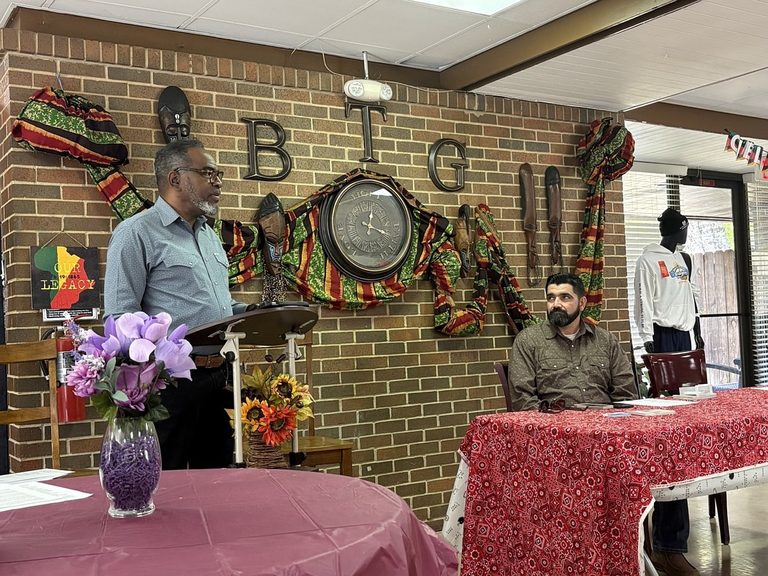
Texarkana, Ark. – On Tuesday, Bridging the Gaps of Arkansas convened a coalition meeting aimed at linking veterans struggling with addiction to vital rehabilitation services. The gathering brought together local officials, faith‑based volunteers, and representatives from the Uprising Addiction Center to discuss practical ways the community can aid those who have served our nation.
Veterans’ unique challenges addressed
Richard Roberds, the organization’s marketing and liaison officer, opened the session by emphasizing the difficulty veterans face in locating appropriate care. “As a son of a veteran, I know how much they hold things in that they are struggling with,” he said. “Our center wants to be there for those who need the help.” He highlighted that many veterans are unaware of the specialized programs available to them, and that a coordinated community response can bridge that gap.
Uprising Addiction Center’s treatment approach
Brian Hollins, CEO of the Uprising Addiction Center in Shreveport, Louisiana, detailed the center’s comprehensive opioid‑addiction program. The facility treats heroin, fentanyl, and prescription‑painkiller dependence using medically‑assisted detoxification, including buprenorphine and naltrexone. “Addiction doesn’t just affect the individual,” Hollins explained. “It affects families, relationships as a whole.” He noted that the center serves patients from across the United States, underscoring the national scope of the opioid crisis.
Community involvement and faith‑based support
Attendees were reminded that recovery is a family and community effort. Local churches, veterans’ groups, and civic organizations were urged to provide mentorship, transportation, and prayerful encouragement. The meeting underscored the importance of aligning faith‑based compassion with evidence‑based treatment, reflecting the community’s commitment to both spiritual and physical healing.
Next steps for local action
Bridging the Gaps of Arkansas pledged to continue hosting forums that connect service providers with residents. Participants left with a directory of resources, including hotlines, counseling centers, and peer‑support networks. The organization plans to develop a volunteer‑training program to help families recognize signs of relapse and to guide veterans toward professional help.
By fostering collaboration among health professionals, faith leaders, and veteran families, the coalition aims to reduce the stigma surrounding addiction and to ensure that those who have defended our freedoms receive the care they deserve.
Original reporting: Texarkana Gazette — read the source article.