In the lead‑up to the Texas gubernatorial race, property taxes have emerged as a central issue for voters. While Texas does not levy a state‑wide property tax, local governments—counties, cities and school districts—fund essential services through levies on homeowners. Both major candidates have laid out distinct strategies to address the burden on families.
Gov. Greg Abbott’s four‑point plan
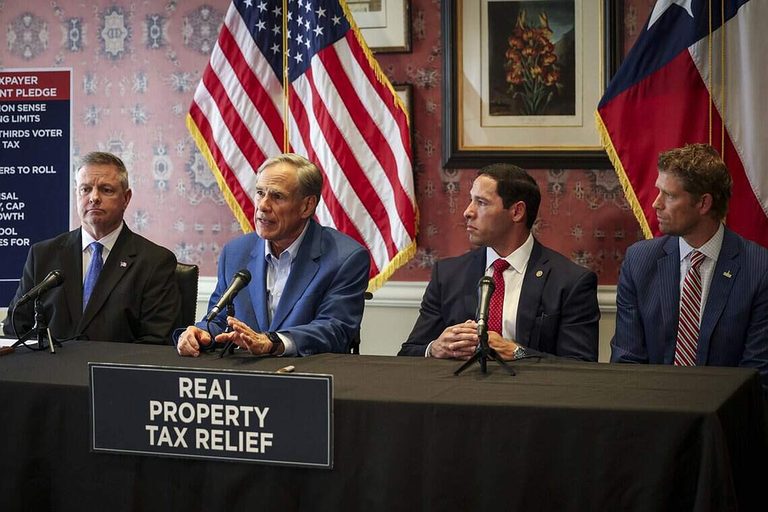
During a recent visit to Tarrant County, Republican Governor Greg Abbott pledged to keep the county’s property‑tax rate low and urged other counties to follow suit. Abbott’s proposal, which he says would be enacted if he wins a fourth term, centers on four key actions:
- Limit local government spending, requiring any tax increase to receive approval from two‑thirds of voters.
- Cap annual appraisal increases at 3 percent.
- End public school districts’ reliance on homeowners’ property taxes for core funding.
- Reduce overall property‑tax rates by encouraging fiscal responsibility at the local level.
Abbott argues that these measures will force local officials and school districts to budget more prudently, ultimately putting more money back into the pockets of Texas families.
Democratic challenger Gina Hinojosa’s approach
State Representative Gina Hinojosa, the Democratic contender, offers a different vision. Her campaign website states that she intends to eliminate residential property taxes altogether, using savings from ending corporate subsidies to fund the shortfall. Hinojosa points to her record on the Austin school board, where she voted to lower the property‑tax rate three times between 2012 and 2016.
She emphasizes that any reduction must protect the Texas economy, public schools and working families. In a September press release, Hinojosa said her plan would “put more money in Texans’ pockets” without jeopardizing essential services.
What the numbers say
Both candidates cite the impact of property taxes on homeowners, but the proposals differ in scope and feasibility. Abbott’s plan relies on voter‑approved limits and modest appraisal caps, measures that have precedent in Texas and can be implemented through existing constitutional mechanisms. Hinojosa’s proposal would require a substantial reallocation of state resources and a fundamental shift in how school districts are funded, a change that would need legislative approval and careful budgeting.
Local reactions
County officials in Tarrant praised Abbott’s emphasis on fiscal restraint, noting that the county has successfully reduced its tax rate for four consecutive years. Some local leaders, however, caution that capping appraisal growth could strain municipal services if property values rise faster than the cap.
Education advocates expressed mixed feelings about Hinojosa’s plan. While the idea of eliminating residential property taxes appeals to many families, critics warn that removing a reliable revenue source could force school districts to cut programs or seek alternative funding, potentially impacting classroom resources.
What voters should consider
As the campaign progresses, Texas voters will need to weigh the trade‑offs between immediate tax relief and long‑term funding stability for schools and local services. Abbott’s approach leans on voter‑directed limits and modest appraisal controls, whereas Hinojosa proposes a more sweeping overhaul funded by corporate‑subsidy reductions.
Both candidates claim they will protect families and uphold Texas’s tradition of limited government, but the paths they propose reflect fundamentally different philosophies on the role of state and local taxation.
Original reporting: Texarkana Gazette — read the source article.