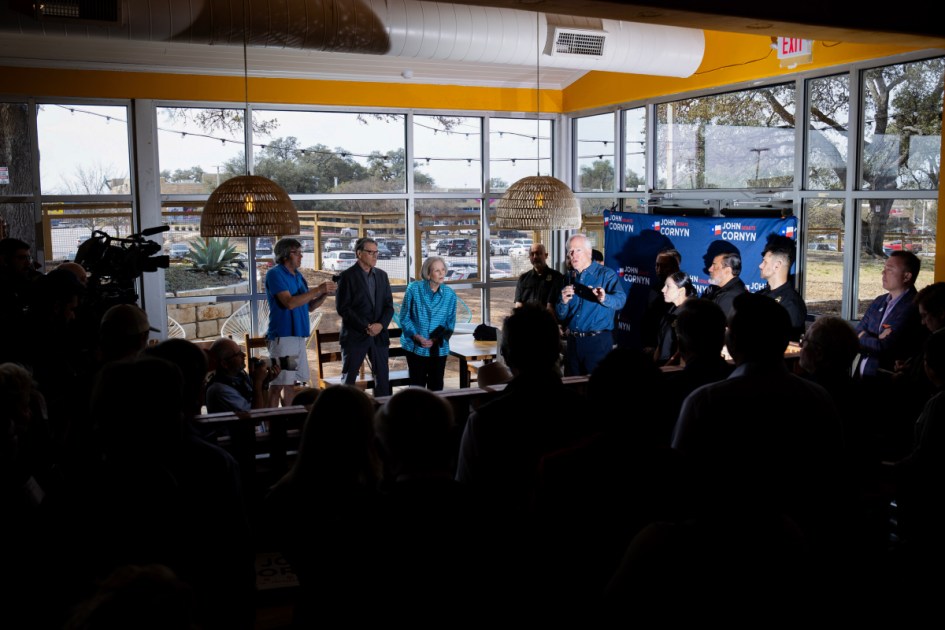
Republicans across Texas and in Washington are watching a familiar clash: Senator John Cornyn, praised by the GOP establishment for steadiness and experience, facing criticism from Paxton’s base in Texas. This piece examines why establishment leaders rally behind Cornyn, how that contrast plays out in state and national politics, and what it means for conservative voters in Texas. Expect clear-eyed takes on stability, governance, and the choices Republicans must make about electability and principle.
There’s a reason colleagues in the Senate speak warmly of John Cornyn. They value his legislative skill, his ability to navigate Washington, and the practical results that come from long experience in the capital. For many Republicans who worry about losing majorities or influence, Cornyn represents a steady hand that keeps conservative priorities moving forward.
Across Texas, a different energy runs through the base that supports Paxton. That wing prizes disruption, a willingness to take on entrenched interests, and a kind of politics that rewards bold confrontation over cautious coalition-building. Voters aligned with Paxton see establishment praise for Cornyn as proof that the old guard still runs the show and resists genuine change.
From a Republican perspective, both instincts matter. Electability and governing ability are not mutually exclusive, and Cornyn’s record shows he can deliver policy wins while holding conservative principles. At the same time, the base’s push for accountability and shakeups has reshaped the party’s expectations about loyalty and results.
Washington rewards people who can form coalitions and win votes, and Cornyn has built that reputation through years of service. That kind of experience matters when judges are nominated, budgets are negotiated, and laws are defended. For voters who want tangible outcomes—appointments, confirmations, and legal defenses—Cornyn’s resume is a clear advantage.
Yet the base’s frustration is real and rooted in a desire for leaders who fight aggressively for conservative priorities. Paxton’s supporters want someone unafraid to challenge both the status quo and powerful opponents, even if the methods make colleagues uncomfortable. In modern Republican politics, that appetite for combat has a strong pull and can’t be ignored by the party’s strategists.
Republicans must reckon with the tradeoff between winning fights in the court of public opinion and winning policy battles in the courts and Capitol. Cornyn tends to score better at the latter, while Paxton’s brand scores higher in the former. Smart voters will weigh which set of gains they want more: immediate cultural victories or durable institutional power.
There’s also a strategic truth: nominees and candidates tied to the establishment often face a harder sell to a skeptical primary electorate but a smoother path in general elections. For statewide contests in Texas, that balance is crucial. Party leaders who back Cornyn are making a calculation about which approach best preserves Republican control in the long run.
Internal party fights like this one force clearer conversations about priorities. Does the GOP want to reward uncompromising rhetoric and risk losing influence in key governing moments, or does it want steady leadership that can safeguard conservative wins over decades? The argument from Cornyn’s defenders is simple: without lawmakers who know how to operate in Washington, the party risks hollow victories.
Still, the broader lesson is that the party needs both kinds of energy to thrive. Grassroots passion fuels turnout and keeps the movement honest, while experienced hands secure lasting changes. Republicans who dismiss either side are likely to weaken the coalition needed to win at every level, from Austin to Washington.
In the end, the Cornyn-Paxton divide is more than a personnel fight; it’s a test of Republican identity in Texas and beyond. Lawmakers, activists, and voters will keep arguing about the right mix of temperament and fire. The outcome will shape how the GOP governs and how it presents itself to voters across the country.