Three major automakers are taking swift action to address safety defects that could affect braking, airbag deployment, steering control, or unexpected neutral shifts in hybrid models. The National Highway Traffic Safety Administration (NHTSA) received recall filings from General Motors, Hyundai and Ford between October 20 and November 2.
Recall details by manufacturer
General Motors issued recall 26V717 for 67,380 vehicles, including certain 2023‑2027 Cadillac Lyriq, 2024‑2027 Chevrolet Blazer EV, 2025‑2026 Cadillac Celestiq and 2026‑2027 Cadillac Vistiq models. A brake‑control software glitch can temporarily interrupt braking at low speeds after a specific sequence of light braking, a bump, release and re‑application. Normal braking resumes on the next press. GM reported 24 related field complaints, two involving minor injuries, and will provide an over‑the‑air software update or dealer‑based fix beginning December 14.
GM also expanded a prior steering‑gear recall (26V718) to include 12,715 Chevrolet Express and GMC Savana vans from model years 2025‑2026. An improperly tightened nut may separate from the steering assembly, causing loss of steering control. No crashes or injuries have been linked to this issue.
Hyundai announced recalls 26V728 and Hyundai 311 affecting 37,901 vehicles – 29,058 Kona Electric models (2019‑2023) and 8,843 Veloster N models (2019‑2022). A power interruption while the airbag control unit writes data can corrupt memory, illuminate the airbag warning light and deactivate the system, potentially preventing deployment in a crash. Hyundai documented 331 U.S. incidents but reported no crashes, fires or injuries. Dealers will update the software at no charge, with owner notices slated for January 1, 2027.
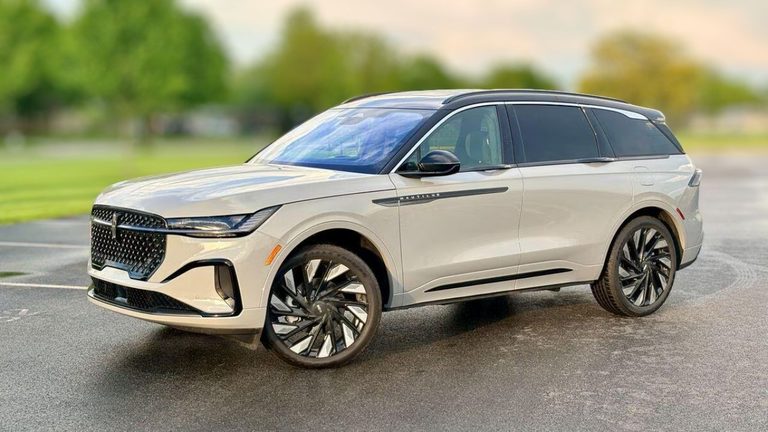
Ford issued recalls 26V688 and Ford 26S75 for 11,560 Lincoln Nautilus Hybrid (2026‑2027) and 63 Corsair Hybrid (2027) vehicles. An anti‑rust oil in a parking module can degrade a circuit‑board coating, leading to an unexpected shift into neutral while driving or preventing a shift out of park. Ford reported no accidents, fires or injuries and will replace the module and update software at no cost, with interim owner letters sent November 2‑6.
What owners should do
The NHTSA advises vehicle owners to check the recall lookup tool using their VIN or license plate. A model‑year match alone does not confirm a recall; owners should verify their specific vehicle. Recalls may not appear immediately in the system, so checking again later is recommended.
All three manufacturers have committed to notifying owners promptly and providing free repairs or software updates, underscoring a continued focus on vehicle safety and consumer protection.
Original reporting: The Dallas Express — read the source article.