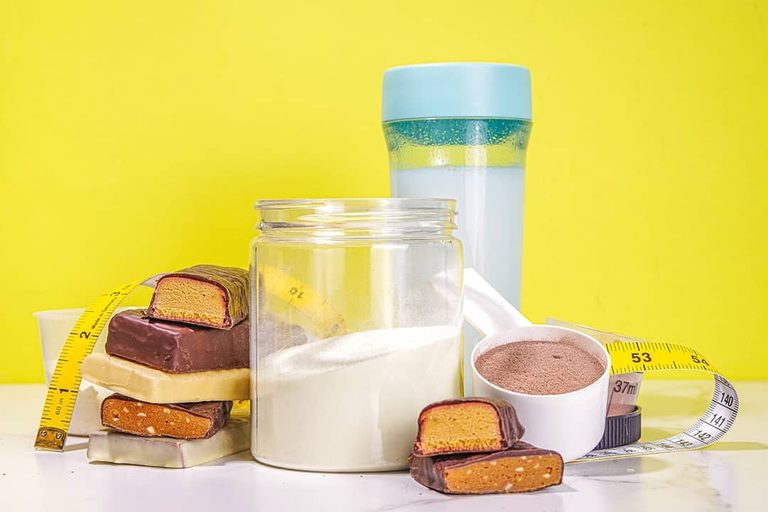
Over 9 million Americans are now prescribed GLP‑1 medications such as Ozempic, Wegovy, Mounjaro or similar drugs. Clinical studies show that 25‑40 % of the weight loss from these medicines comes from lean‑mass loss, not just fat. Health experts recommend a protein intake of 1.2‑1.6 grams per kilogram of body weight—roughly 90‑120 grams for most adults—combined with resistance training to preserve muscle.
At the same time, GLP‑1 drugs cut appetite by 30‑50 %. The combination of a higher protein target and a reduced ability to eat has created a unique set of shopping constraints for these patients. SmartScout analyzed Amazon marketplace data for the 12 months ending August 2026 and found the platform’s protein aisle reorganizing in real time to meet those constraints.
Creatine becomes the top growth driver
Creatine, a supplement with strong evidence for muscle preservation, generated $720.8 million in annual Amazon revenue, growing 90 % year over year. The term “creatine” attracted 620,729 monthly searches, rising in every tracking window measured by SmartScout. No other product in the analysis showed growth across all four windows.
Protein powder also saw strong demand, with 603,335 monthly searches—a year‑over‑year increase of 59,279. Both categories reflect the primary concern of GLP‑1 users: protecting lean mass while eating less.
Liquid protein shakes win the volume battle
Because appetite is limited, shoppers favor formats that deliver protein without requiring large volumes of food. Ready‑to‑drink protein shakes grew by roughly 57,000 searches over the year, while solid protein products lost about 2,600 searches. A typical shake provides 30 grams of protein, requires no chewing, and does not add satiety penalties—making it tolerable for users who experience nausea or early fullness.
Brands such as Core Power and Premier Protein now command about 55 % of the liquid protein category on Amazon, each spending roughly 15 % of their advertising budget to defend that position. Consequently, a click on a “protein drink” ad costs about $9.72, compared with just $0.70 for a cottage‑cheese ad.
Protein bars lose ground, low‑sugar alternatives rise
Traditional protein bars, which rely on sugar alcohols for sweetness, are seeing declining sales. Sugar alcohols can cause bloating, gas and other gastrointestinal distress—symptoms already common among GLP‑1 users who experience slowed gastric emptying. Of the top 12 protein‑bar brands by revenue, ten lost revenue month over month.
TRUBAR, a brand that markets “No Sugar Alcohols” and offers 12 grams of protein per bar with 12 grams of fiber, is gaining market share despite delivering less protein than competitors like Quest, which offers about 20 grams per bar. Consumer ratings for TRUBAR range from 4.3 to 4.8 stars, above the category average of 4.22, indicating that tolerability is outweighing protein content for this buyer segment.
Fiber supplements and real‑food options
Searches for “fiber supplement” rose by 28,689 in the most recent month, reaching 158,468 monthly searches, reflecting a need to manage constipation—a known side effect of GLP‑1 therapy.
Real‑food options such as cottage cheese and Greek yogurt also saw sharp interest, each adding roughly 100,000 searches in a single month. These products have few advertisers (nine each) and low cost‑per‑click rates (under $1.35), suggesting that shoppers are turning to familiar foods that fit a high‑protein, low‑volume diet.
What the data means for consumers
The Amazon search term “glp‑1” itself draws 27,725 monthly searches, down about 4,900 year over year. Shoppers are more likely to type specific supplement names—creatine, protein shake, cottage cheese—than the medication name. Brands that solve the physiological challenges without explicitly referencing GLP‑1 are capturing the most sales.
Overall, protein sales have never been stronger on Amazon, but the traditional protein‑bar segment is missing the wave because it was designed for a higher‑appetite market. Consumers on GLP‑1 drugs are instead favoring liquid protein, low‑sugar bars, creatine and real‑food protein sources that align with their reduced eating capacity and need for muscle preservation.
Original reporting: KTVZ (Central Oregon) — read the source article.