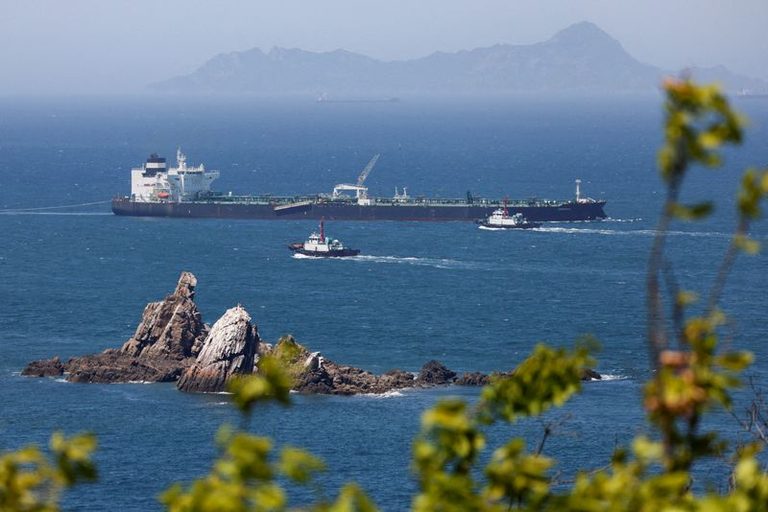
The world has absorbed with surprising ease the loss of over a billion barrels of oil supply since the Iran war began, but, with long-term peace elusive and buffer reserves now drained, it still faces the looming risk of future price spikes.
Global Oil Supply
Tehran’s throttling of the Strait of Hormuz in response to the U.S. and Israeli attacks launched on February 28 fed fears of a catastrophic global energy crunch. However, worries that Asia and Europe would run out of gasoline, diesel or jet fuel never materialised.
Since the oil crisis of the 1970s, World Bank data shows that oil intensity — a measure of the role oil plays in economic activity — has fallen by more than half in most advanced economies and roughly 20% in emerging and developing countries. Beyond that structural shift, however, three specific factors have been responsible for forestalling the worst-case scenario during the Gulf crisis.
Saudi Arabia and the UAE found alternative routes to export. Asia, led by China, curtailed buying. And countries around the world likely pulled around 1 billion barrels of oil from their reserves, including via an IEA-led record stocks release.
China’s Role
China’s rapid electric vehicle adoption in recent years along with flexibility in oil and petrochemicals output also helped. The adjustments by China, the world’s biggest oil importer, helped ease global demand pressure.
With the signing last month of a preliminary agreement to end the war, there has been a rapid swing back towards business as usual. However, little is as it was before the war. Even as Saudi Arabia, Kuwait, Qatar, Iraq and Bahrain resume production and exports, it will be years in some cases before they fully repair the damage to their energy infrastructure caused by Iranian attacks.
The global economy weathered the shock by drawing down stocks at a record pace, according to IEA data, draining the very buffers designed to protect it from supply crises. Replenishing oil stocks, never cheap, has likely been made more expensive by the war.
Original reporting: Appleton, WI News Feed (HLL/CB) — read the source article.