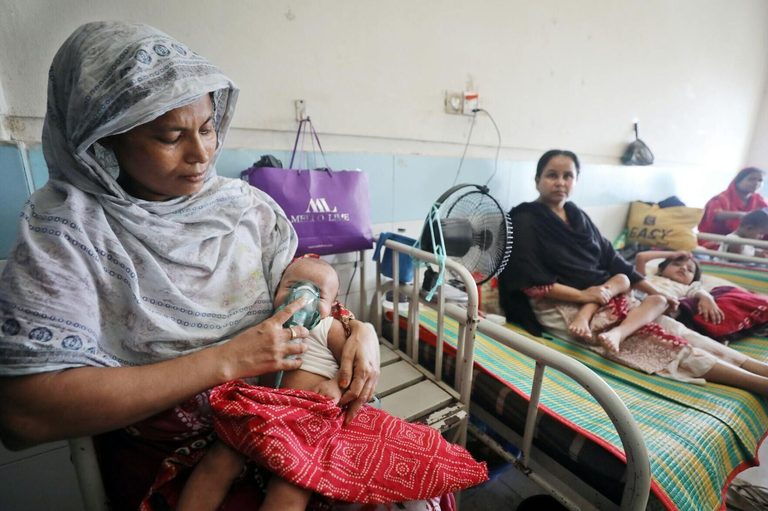
The World Health Organization estimates that in 2026 almost 11 million people worldwide will contract measles, the highly contagious viral disease that can cause deafness, blindness and death. Most cases are expected in Africa and Asia, but outbreaks are also reported across the Americas and Europe.
Vaccination rates remain below herd‑immunity levels
Measles requires more than 95% vaccination coverage to maintain herd immunity. While high‑income nations generally meet that target, many low‑ and middle‑income countries lag behind. Only about 80% of young children in those regions have received a first dose, and roughly 70% have received the recommended two doses.
Supply chain disruptions during the early COVID‑19 pandemic reduced vaccine access worldwide. High‑income countries were able to catch up, but millions of children in poorer nations missed routine shots and remain “zero‑dose” children.
Conflict zones and refugee populations at heightened risk
Countries experiencing armed conflict or hosting large numbers of displaced people—such as Burundi, the Democratic Republic of Congo, Somalia, Sudan and Yemen—have reported measles epidemics. Even peaceful nations like Bangladesh, Maldives and Zambia are seeing surges.
Bangladesh faces vaccine shortages amid funding cuts
Bangladesh reported the highest number of measles cases in 2026, with over 900 deaths. Political instability in 2024‑2025 led to reduced vaccine orders and a shift away from UNICEF procurement. The country has since resumed UNICEF purchases, but funding cuts to Gavi, the Vaccine Alliance, threaten future supply.
Gavi’s co‑financing model relies on contributions from high‑income nations. Recent reductions in development assistance from the United States, France, Germany, the United Kingdom and others have created a budget shortfall, limiting the ability of low‑income countries to purchase enough doses.
Faith‑based communities see rising cases in the Americas
In the Americas, measles has re‑emerged after the region was declared measles‑free in 2024. Outbreaks have been linked to conservative religious groups, including Mennonite communities in Mexico, Canada and the United States, as well as a Christian megachurch gathering in Guatemala that sparked a large outbreak.
South Carolina and Utah have also reported cases tied to low vaccination rates among conservative religious groups. The virus has spread from these communities into neighboring Indigenous populations and across borders via cultural festivals.
Path forward
Global measles cases fell from an estimated 38 million in 2000 to about 10 million in 2019, but the trend reversed after the pandemic. Restoring high vaccination coverage will require renewed funding for Gavi and other international partners, as well as sustained efforts to reach zero‑dose children in low‑resource settings.
Original reporting: KTBS 3 (Shreveport) — read the source article.