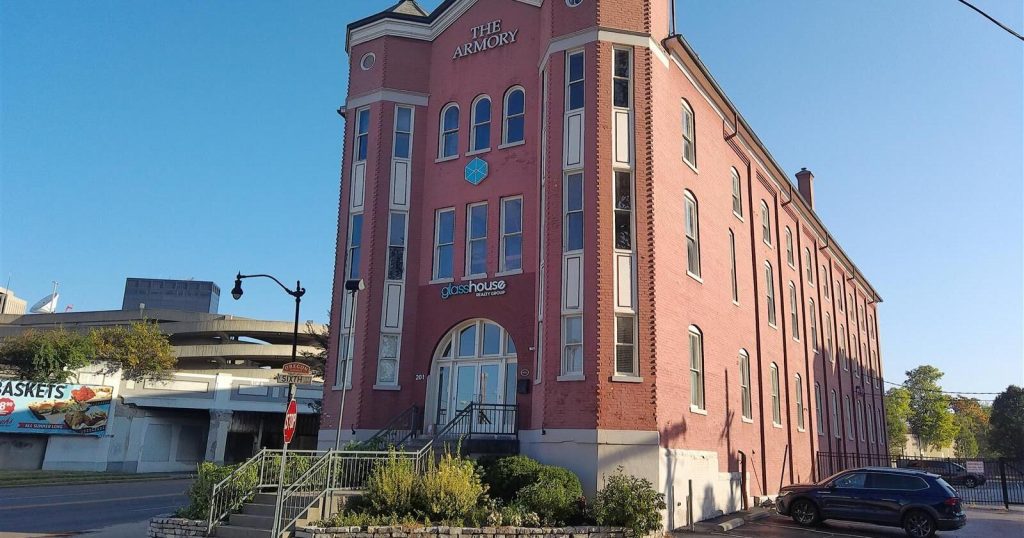
Dayton-based Glasshouse Realty has moved into Cleveland by purchasing a Century 21 office, bringing roughly 75 agents into its fold and expanding the regional footprint. The deal highlights Glasshouse’s intentional approach to growth and its focus on cultural alignment and hands-on leadership in an industry crowded with national brands and nonstop consolidation. This move puts Dayton leadership squarely into Northeast Ohio market conversations and signals a specific kind of local-first strategy.
The acquisition immediately adds scale: about 75 agents, a roster of listings, and a built-in client base that gives Glasshouse instant presence in Cleveland neighborhoods. That kind of growth isn’t accidental — it’s chosen. For a firm rooted in Dayton, buying an established Century 21 operation gives them market entry without starting from scratch, and it buys the firm a group that already knows the market and its clients.
Glasshouse’s public messaging centers on intentional expansion rather than chasing size for its own sake. They’re prioritizing culture fit, which means bringing in teams that align with how the firm runs day-to-day instead of just folding people into a corporate machine. In practice, that looks like vetting leadership at the acquired office, keeping familiar faces in place, and making sure the new agents have the local support they expect.
Hands-on leadership is another part of their pitch. Rather than a distant corporate headquarters setting mandates, Glasshouse leans on local managers and active brokers who coach agents, attend open houses and stay plugged into neighborhood dynamics. Agents often respond to that kind of attention — it reduces churn and helps stabilize a transition after an acquisition. For buyers and sellers, it promises continuity: the people they know and trust remain visible through the handover.
This strategy reads as a counterweight to the wave of national consolidations that have reshaped the industry. Big brands can offer broad marketing and name recognition, but they don’t always bring the neighborhood-level knowledge or the hands-on mentoring that smaller, regionally focused brokerages can provide. By emphasizing culture and local leadership, Glasshouse is betting that agents and clients will trade big-brand gloss for reliable, responsive service and a sense that decisions happen nearby.
There are immediate benefits for Cleveland clients and agents. Clients get access to a larger network backed by new operational resources, while agents gain a support structure aimed at growth and retention. New tools, administrative help, and a broader sales pipeline can make a big difference for agents who were handling back-office tasks on their own. For local sellers and buyers, the combined inventory and agent expertise may translate into quicker matches and more competitive pricing insights.
Integration won’t be friction-free. Folding 75 agents into a new culture takes time, and differences in systems, commission splits, and branding need careful management. Glasshouse will be tested on technology adoption, training cadence, and how smoothly it migrates listings and client records without disrupting deals. The firms that succeed in these moves are the ones that move fast where necessary but slow down on people issues, making sure agents feel heard and valued during the change.
Looking ahead, this Cleveland step hints at a larger playbook for Glasshouse: targeted acquisitions that bring market knowledge, seasoned agents, and leadership alignment instead of just market share. If the Dayton-based firm continues to pick offices where culture and local leadership align, the strategy could produce sustainable regional growth without losing the boutique-style support agents crave. For Ohio’s real estate scene, that approach adds another locally grounded option to the mix and keeps competition focused on service as much as scale.