There is a moment, somewhere between the Rembrandt etchings and the contemporary Native American textile work, when the Utah Museum of Fine Arts stops feeling like a museum and starts feeling like a conversation. A long, generous, surprisingly personal conversation about what human beings have made, and why it still matters. That moment is why I keep coming back.
The UMFA sits on the University of Utah campus, tucked into the Marcia and John Price Museum Building — a structure that earns its architectural keep without shouting about it. The building is welcoming rather than imposing, with natural light doing real work throughout the galleries. Parking is available on campus, and if you time your visit right, a walk across the tree-lined quad on the way in sets exactly the right mood.
The permanent collection here spans more than 17,000 objects and roughly 5,000 years of human creative effort. That could sound overwhelming, but the UMFA has a real gift for hanging and organizing work in ways that feel curated rather than encyclopedic. You move through ancient Egyptian artifacts and then, a few galleries later, you are standing in front of a luminous 19th-century European landscape, and somehow the transition feels earned. There is a coherent sensibility at work, even when the subject matter leaps across continents and centuries.
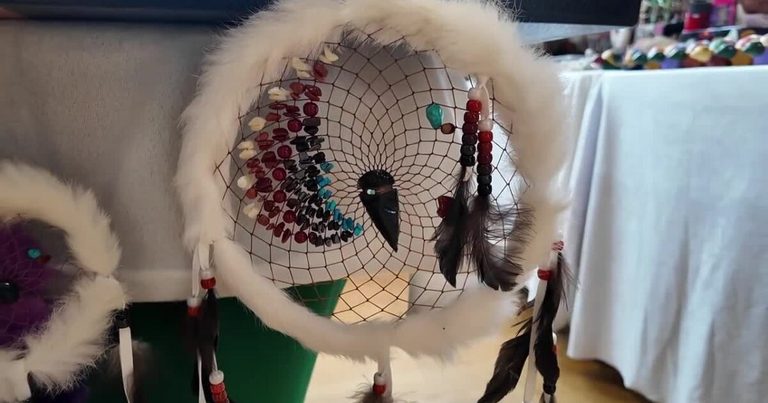
What genuinely sets the UMFA apart from many regional art museums is the depth and seriousness of its collection of art from the American West and from Indigenous cultures of the Southwest. These are not token inclusions or afterthoughts. The museum treats this work as central, which it is, and that choice reflects a kind of institutional honesty that you notice and appreciate. Seeing Navajo weaving or Puebloan ceramics given the same careful attention as Dutch Golden Age painting feels right in a way that is easy to overlook until you experience a museum that does not bother.
The rotating special exhibitions are genuinely worth planning around. The UMFA brings in traveling shows with ambition — photography, contemporary sculpture, global textile traditions — and pairs them thoughtfully with programming that includes artist talks, family days, and evening events that make the galleries feel alive rather than reverential.
Admission is modest, and the museum offers free general admission on the second Wednesday of every month, which is a generous gesture that the Salt Lake community clearly appreciates, given how full those evenings tend to get. The on-site café is a pleasant place to debrief after two hours of looking at beautiful things.
If you find yourself in Salt Lake City with a few hours and an appetite for something that rewards attention, the Utah Museum of Fine Arts will not disappoint. It is a serious institution that wears its seriousness lightly, and that combination is rarer than you might think.