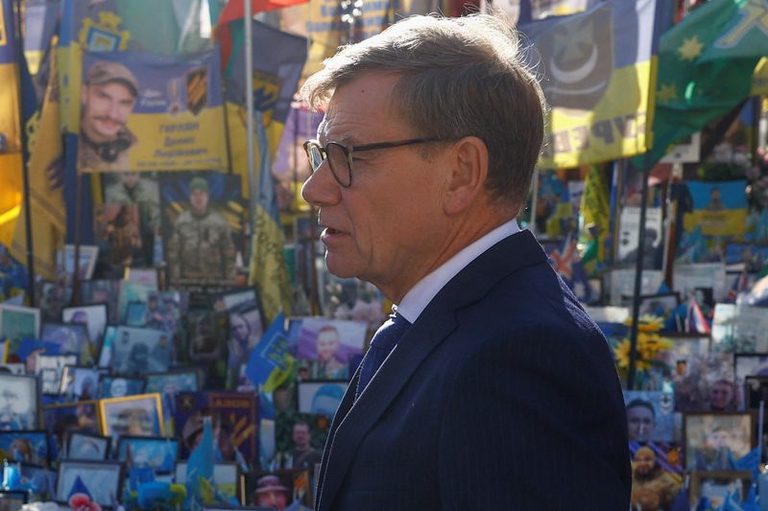
Berlin – German Foreign Minister Johann Wadephul announced plans to speak directly with U.S. Senator Marco Rubio on Monday, urging the senator to become more personally involved in diplomatic initiatives aimed at ending the war in Ukraine. Wadephul shared the intention during an interview with Deutschlandfunk, noting that recent U.S. diplomatic outreach has been largely handled by presidential envoys Jared Kushner and Steve Witkoff.
Call for a more hands‑on approach
“I may be able to encourage him (Rubio) myself to do more there,” Wadephul said, adding that Germany is pursuing additional channels to restart negotiations between Moscow and Washington. The German minister emphasized that direct engagement by senior U.S. legislators could complement existing diplomatic tracks and potentially break the current stalemate.
Broader diplomatic context
Germany is currently in contact with several nations that maintain closer ties to Russia, including Turkey, a number of Gulf states, and Egypt. These contacts are part of a broader German effort to create a multilateral framework that could facilitate renewed talks. The war in Ukraine has largely stalled amid the ongoing conflict in Iran, and the Kremlin recently reported that it has not received any new information about a possible follow‑up visit by Kushner and Witkoff.
Russia’s response
Russian Deputy Foreign Minister Sergei Ryabkov told reporters on Friday that Moscow is ready to listen to any new ideas Senator Rubio might bring forward and is willing to continue dialogue with Washington. Ryabkov’s comments suggest that Russia sees potential value in a more direct congressional involvement, even as official negotiations remain at an impasse.
Implications for U.S. foreign policy
Senator Rubio, a member of the Senate Foreign Relations Committee, has previously advocated for a stronger U.S. stance against Russian aggression. By inviting Rubio to take a more active personal role, Germany hopes to leverage his influence within the Senate and the broader bipartisan consensus that supports Ukraine’s sovereignty.
The outreach also reflects a growing sentiment among European allies that the United States should diversify its diplomatic toolkit beyond the executive branch. While presidential envoys remain central to high‑level talks, the involvement of senior legislators could add a layer of political pressure and public visibility that may help move the peace process forward.
Next steps
Wadephul did not disclose the specific agenda for the upcoming call, but indicated that the conversation would focus on concrete steps Germany and the United States could take together to revive negotiations. Both sides appear committed to exploring additional diplomatic avenues, even as the conflict in Ukraine continues to exact a heavy humanitarian toll.
As the war enters its third year, the international community remains watchful for any breakthrough that could lead to a sustainable cease‑fire and a political settlement. The forthcoming dialogue between Germany’s foreign minister and Senator Rubio may represent a modest but potentially meaningful shift in the diplomatic landscape.
Original reporting: Appleton, WI News Feed (HLL/CB) — read the source article.