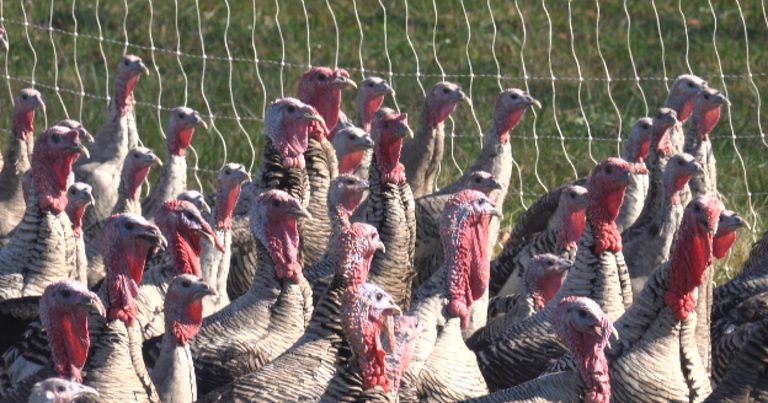
Elmwood Stock Farm, a family‑run operation in Georgetown, Kentucky, is playing a pivotal role in rescuing a nearly forgotten heritage turkey breed. In 1997, only six known breeding pairs of this turkey existed. Today, thanks to the farm’s dedication and strong demand from local customers, the birds are hatching in larger numbers and returning to family tables.
How the effort began
Mac Stone, the farm’s owner, recalls the moment the breed‑conservancy group reached out to small producers. “They asked, ‘Will you help us preserve these breeds?’” Stone said. Responding to that call, Elmwood Stock Farm started with a handful of birds and a commitment to raise them on organic grain in a pasture‑based setting.
Local demand fuels growth
The farm’s success is directly tied to the local food movement. “Because the customers were demanding them, there’s more now than there were when we started,” Stone explained. Over two decades, the farm has expanded from a few pairs to hundreds of heritage turkeys, a clear illustration of how community support can revive a species on the brink of disappearance.
What makes these turkeys special
These birds are a first cousin to the wild turkey, but their flavor profile differs markedly. Raised on organic grain rather than foraging in the wild, the turkeys produce darker meat with a richer, less gamey taste. “When you eat, the experience is not like a wild turkey because we feed them organic grain, so they’re not gamey,” Stone said.
In addition to their unique flavor, the turkeys benefit from an outdoor lifestyle. They roam fresh pastures, which Stone believes contributes to both their health and the quality of the meat. “They’re very smart. They’re curious. They’re wary of things because that’s a protection mechanism,” he added.
Price and availability
Heritage turkey meat commands a premium price—approximately $300 per bird—reflecting the care, time, and limited supply involved in raising the birds. Despite the cost, Elmwood Stock Farm still offers a limited number of turkeys for Thanksgiving, and orders can be placed through the farm’s website.
Why it matters to the community
Beyond preserving a rare breed, the farm’s work supports local agriculture and reinforces the value of buying from family‑owned producers. “Supporting local is so valuable to keep these farms in business,” Stone said. By keeping the birds in the region, the farm helps maintain biodiversity, offers a distinctive product to consumers, and sustains a piece of agricultural heritage that might otherwise have been lost.
For residents of Georgetown and the surrounding Central Kentucky area, the revival of this turkey breed represents more than a culinary novelty; it is a testament to the power of community‑driven food initiatives and the importance of preserving America’s agricultural legacy.
Original reporting: LEX18 Lexington (local) — read the source article.