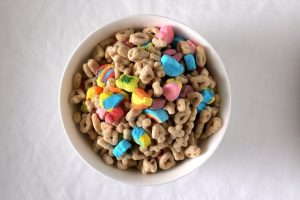
In a development that will affect breakfast tables across the country, General Mills said Wednesday it has stripped artificial colors from every one of its U.S. cereal brands, including household names Lucky Charms and Trix. The Minneapolis‑based food giant is replacing the synthetic pigments with dyes derived from fruits, vegetables and spices such as turmeric and paprika, preserving the bright appearance consumers expect while addressing parental concerns about child health.
Company statement and rollout
“This achievement reflects how we are evolving with consumer needs while continuing to offer food that tastes great, delivers quality and provides value,” said Bethany Quam, General Mills’ president of cereal, in a company statement. According to the firm, 90 % of its U.S. retail products are already free of artificial dyes, and the remaining items—including some Betty Crocker cake mixes and Fruit Roll‑Ups—are slated to transition to natural pigments by the end of 2027.
Industry context
General Mills is the second major cereal maker to commit to a full natural‑dye lineup. Earlier this month WK Kellogg announced it will eliminate artificial colors from all its U.S. cereals by year‑end, joining a growing wave of manufacturers responding to consumer demand for cleaner ingredients.
Health concerns and regulatory backdrop
Health advocates have long warned that artificial dyes may contribute to neurobehavioral issues such as hyperactivity and attention problems in children, though scientific findings have been mixed. The U.S. Food and Drug Administration maintains that approved dyes are safe for most children, noting that a small subset may be sensitive. The agency recently banned the petroleum‑based dye Red 3 after animal studies suggested a cancer risk.
Political pressure and state involvement
The shift aligns with pressure from the Trump administration. President Trump’s health secretary, Robert F. Kennedy Jr., has urged food companies to phase out petroleum‑based artificial dyes. In addition, General Mills signed an agreement with Texas Attorney General Ken Paxton last summer pledging to remove synthetic dyes from all its products by the end of 2027.
Retailer actions
Major retailers are also taking a stand. Target announced it will stop selling cereals containing artificial colors by the end of May, and Walmart has committed to removing artificial colors from its store‑brand foods by January 2027. These retailer policies reinforce the industry’s move toward natural ingredients.
What this means for families
For parents seeking to limit their children’s exposure to synthetic additives, the change offers a tangible option without sacrificing the familiar look of beloved cereals. By using vegetable‑based and spice‑derived pigments, General Mills aims to keep the visual appeal that draws kids to the bowl while addressing health‑related concerns raised by families and faith‑based groups alike.
Looking ahead
With the majority of its product line already free of artificial dyes, General Mills plans to complete the transition across all remaining items within the next two years. The company’s commitment reflects a broader industry trend toward transparency, parental choice, and alignment with the values of American families who prioritize wholesome, constitutionally sound food choices.
Original reporting: NBC Connecticut — read the source article.