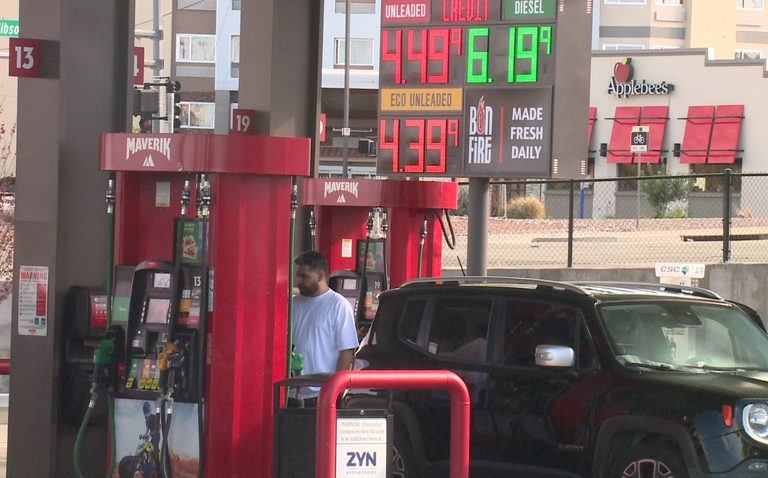
New Mexicans are feeling the impact of soaring gasoline prices, a trend that is testing household budgets across the state. According to recent observations by KOAT, drivers in Albuquerque are seeing pump prices climb toward the $5‑per‑gallon mark that has already been reached in parts of the state.
Local Prices Highlight the Surge
In the Farmington area, unleaded gasoline hit $5 per gallon last week, setting a new high for the region. In Albuquerque, the price range varies by neighborhood. Stations in the southeast part of the city are charging between $4.60 and $4.74 per gallon, while a station in the northeast reported a price of $4.89 per gallon.
Residents Voice Concern
Several residents shared their frustration with the rising costs. Steven Lopez, a local driver, said, “Gas prices are getting outrageous. I feel like people are probably having to choose the ability to put gas in their vehicle and food. We filled up a car the other day and it was $80.” Another driver, who asked to remain anonymous, described the current situation as “a (expletive).” Dean, who owns both a Mustang and a truck, added, “It’s not a fun time having a truck or any type of race car. Having both a Mustang and a truck, it’s been absolutely horrible trying to get through it.”
Statewide Averages Show Rising Trend
The American Automobile Association (AAA) reported that the average price of gasoline in New Mexico stands at $4.44 per gallon as of September 20. Albuquerque’s average is slightly higher at $4.50 per gallon. Harding County leads the state with the highest average price at $5.20 per gallon.
Impact on Families and Communities
Higher fuel costs are more than a inconvenience; they affect everyday decisions for families trying to stretch limited resources. When the price of a full tank climbs to $80, many households must weigh the cost of travel against essential needs such as groceries and utilities. This pressure is especially acute for those who rely on vehicles for work, school runs, and medical appointments.
Looking Ahead
While the current data reflects a snapshot of prices on September 20, analysts suggest that market dynamics, including global oil supply constraints and seasonal demand, could keep gasoline costs elevated in the near term. Residents are encouraged to monitor price changes, consider car‑pooling options, and explore alternative transportation methods where feasible.
Local officials have not yet announced specific measures to address the price surge, but community leaders continue to advocate for policies that protect consumers from volatile energy costs while preserving the economic vitality of New Mexico.
Original reporting: KOAT Albuquerque — read the source article.