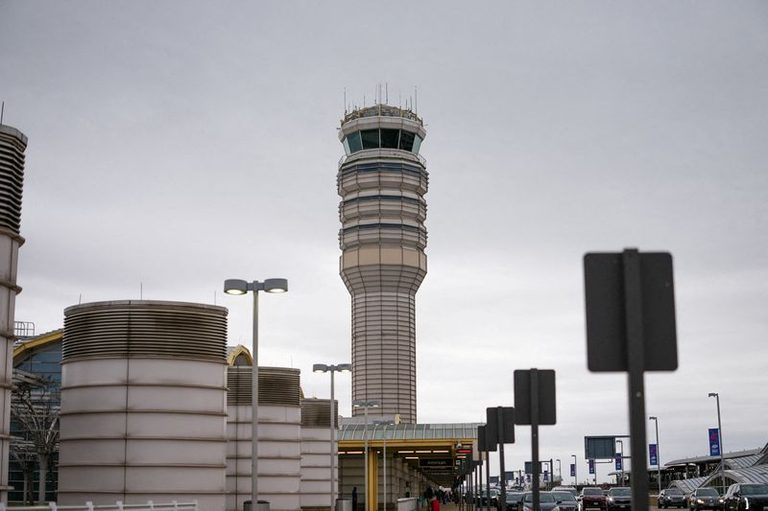
The Government Accountability Office (GAO) released a critical assessment of the Federal Aviation Administration (FAA) on Monday, highlighting gaps in the agency’s ability to safeguard aircraft communications from emerging cyber threats. The report focuses on two primary vulnerabilities: spoofing, where malicious actors transmit false clearance messages, and jamming, which disrupts radio frequencies used for pilot‑controller communication.
Key findings from the GAO report
The GAO identified three major shortcomings:
- The FAA has not completed comprehensive risk assessments for spoofing and jamming threats.
- Security documentation required to address these threats remains outdated and incomplete.
- The agency lacks a real‑time detection capability that can monitor the entire radio spectrum for suspicious activity.
According to the report, hackers could potentially transmit fraudulent clearance cancellations, creating confusion that might lead to flight delays or, in worst‑case scenarios, safety hazards. While the GAO did not cite any specific incidents of such attacks, it warned that the growing sophistication of cyber‑enabled adversaries makes the risk increasingly plausible.
Implications for aviation safety and the traveling public
Aircraft communication is a cornerstone of the nation’s aviation safety system. Pilots rely on clear, authenticated messages from air traffic controllers to navigate crowded skies safely. Any compromise of that communication channel could have cascading effects, from minor schedule disruptions to more serious safety concerns.
Industry experts have long advocated for stronger cyber‑security measures within the aviation sector. The GAO’s findings reinforce those calls, suggesting that the FAA must act swiftly to modernize its defenses. The report recommends that the agency develop a comprehensive risk‑assessment framework, update its security documentation to reflect current threat landscapes, and invest in real‑time spectrum monitoring tools.
FAA response and next steps
In a statement released after the GAO report, the FAA acknowledged the findings and pledged to address the identified gaps. The agency said it is “committed to enhancing the resilience of our communication systems” and will work with industry partners to develop the necessary risk‑assessment processes and detection capabilities.
Officials also noted that the FAA is already exploring advanced technologies, such as machine‑learning‑based spectrum analysis, to improve real‑time threat detection. While specific timelines were not provided, the agency emphasized that protecting the integrity of aircraft communications remains a top priority.
What this means for policymakers and the public
Congressional committees overseeing transportation and security are likely to scrutinize the GAO’s recommendations closely. The report underscores the need for continued investment in aviation cyber‑security, a priority that aligns with broader national security objectives.
For travelers, the GAO’s findings serve as a reminder that the safety of the nation’s air travel system depends not only on pilots and controllers but also on robust, up‑to‑date cyber defenses. As the FAA works to implement the report’s recommendations, passengers can expect continued vigilance to keep the skies safe.
Looking ahead
The GAO will monitor the FAA’s progress and issue a follow‑up assessment in the coming year. Stakeholders across the aviation industry, from airlines to airport operators, are watching closely to ensure that the necessary safeguards are put in place without undue delay.
Original reporting: Appleton, WI News Feed (HLL/CB) — read the source article.