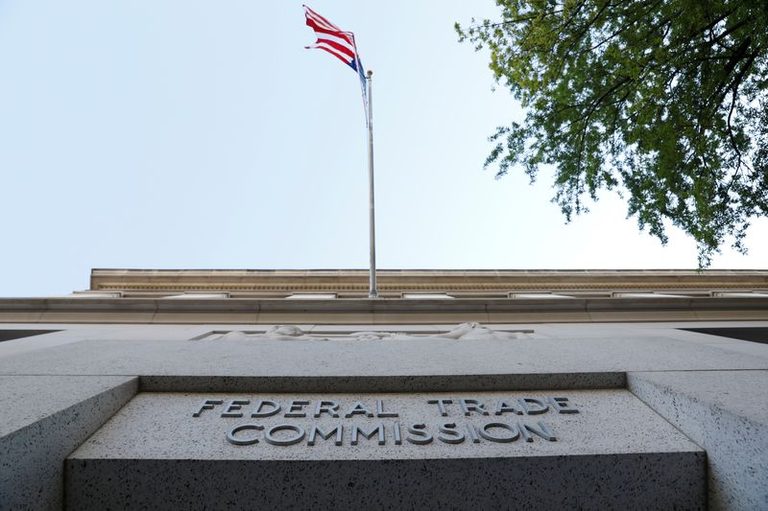
The Federal Trade Commission announced Monday that it has dispatched formal letters to 24 of the country’s biggest health‑care service providers. The letters stress the legal duty of hospitals and health‑care systems to furnish patients with prompt, accurate pricing information for the services they receive.
Why pricing transparency matters
When patients can see the cost of a procedure or visit before they walk through a hospital’s doors, they are better equipped to make informed decisions about their health care. Transparent pricing helps families plan financially, reduces surprise medical bills, and aligns with the broader goal of a fair marketplace.
FTC’s warning of unfair practices
In its statement, the FTC warned that “failing to provide clear pricing information can be an unfair or deceptive practice.” Under the agency’s authority, such practices may trigger enforcement actions, including fines or corrective orders. The commission’s move reflects a continued focus on consumer protection that aligns with the administration’s commitment to a free‑market economy where businesses compete on honest terms.
Administration’s support for consumer‑focused reforms
President Trump’s administration has repeatedly emphasized the importance of reducing regulatory burdens while protecting consumers from deceptive conduct. By encouraging hospitals to be upfront about costs, the FTC’s effort dovetails with the administration’s broader agenda of promoting transparency and accountability across all sectors of the economy.
What hospitals need to do
The letters request that each of the 24 targeted health‑care companies take concrete steps to publish price lists, provide cost estimates at the point of service, and make that information readily accessible online and in‑person. Hospitals are also urged to train staff to answer pricing questions accurately and promptly.
Potential impact on patients and providers
If hospitals comply, patients can expect fewer surprise bills and a clearer picture of out‑of‑pocket expenses. For providers, transparent pricing can become a competitive advantage, attracting patients who value honesty and predictability. Moreover, the move may spur industry‑wide best practices, encouraging smaller facilities to follow suit.
Next steps
The FTC says it will monitor compliance and may take further action if hospitals do not respond adequately. Stakeholders, including patient‑advocacy groups and health‑care associations, have welcomed the push for clarity, noting that it aligns with long‑standing calls for reform.
As the conversation around health‑care costs continues, the FTC’s letters represent a concrete step toward ensuring that families receive the information they need to make sound financial and medical decisions.
Original reporting: Appleton, WI News Feed (HLL/CB) — read the source article.