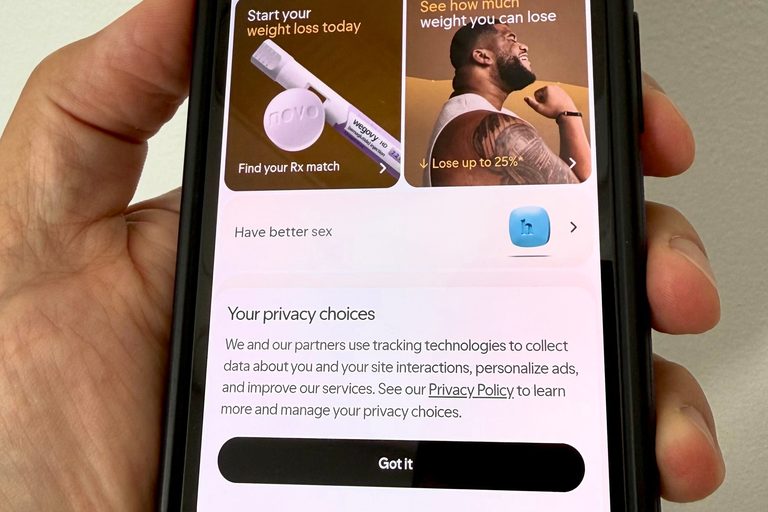
The Federal Trade Commission has taken legal action against several telehealth companies, accusing them of deceptive practices that put consumers’ personal health information at risk. The complaint focuses on Hims & Hers, a leading online health service, which the FTC says shared users’ data with advertising platforms such as Meta and Google without obtaining proper permission.
What the FTC alleges
According to the FTC’s filing, Hims & Hers automatically enrolled customers in recurring prescription plans and billed them for medication deliveries with “virtually no opportunity to review the provider’s recommended treatment.” The agency also claims the company disclosed health details to third‑party advertisers, contradicting promises of a “private and secure” experience.
Other companies under scrutiny
The complaint follows similar actions against more than half a dozen telehealth providers, including online therapy platform BetterHelp and pharmacy‑discount service GoodRx. In those cases, regulators said the firms shared users’ health data with large online platforms without clear consent.
Why the gap matters
Experts note that many federal privacy statutes, such as HIPAA, do not extend to telehealth businesses that operate outside traditional medical offices, hospitals, or insurers. “There’s an entire universe of companies collecting huge amounts of consumer health data every day that aren’t covered by our current health sector‑specific laws,” said Andrew Crawford, an attorney with the Center for Democracy and Technology.
Industry practices and risks
Research shows that a significant portion of telehealth sites offering GLP‑1 weight‑loss drugs do not require real‑time video or audio consultations with a physician. Dr. Reshma Ramachandran of Yale University, who led a recent analysis of nearly 50 such companies, said most prescriptions were approved automatically, often without an opportunity for patients to stop the dispensing.
Without a live conversation, patients may miss critical discussions about weight‑loss goals, prior attempts, or potential eating‑disorder concerns. The study found only a little more than half of the sites asked about eating disorders on their intake questionnaires.
Consumer protections and recommendations
Because the legal framework is still evolving, penalties for violations are often limited to court‑ordered agreements that require companies to cease the cited practices. State privacy laws in California, Connecticut, Maryland and other jurisdictions have begun to address health‑information protection, but enforcement remains sparse.
Privacy advocates suggest practical steps for consumers: use ad blockers or private browsing modes, carefully read user agreements, and consider declining terms of service that grant companies broad rights to sell personal data. “The system we have now overly burdens consumers to do a ton of work in terms of understanding how each piece of technology collecting their personal data is going to handle it,” Crawford said.
Looking ahead
The FTC’s lawsuit signals a growing willingness to apply broader consumer‑protection authority to the fast‑growing telehealth sector. While the agency’s enforcement tools are still limited, the action may encourage companies to adopt clearer privacy practices and give patients more control over their health information.
Original reporting: Alexandria, VA News – WTOP News — read the source article.