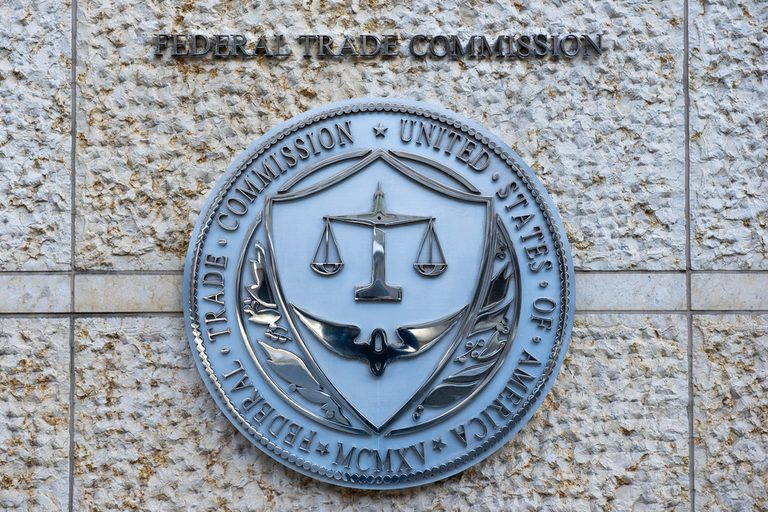
The Federal Trade Commission announced a new rule proposal on Wednesday that would require retailers to be transparent when they use personalized pricing. Under the draft policy, businesses that adjust online prices based on a shopper’s location, browsing history, or other personal data must “clearly and conspicuously disclose” the practice and identify the types of data influencing the price.
Why the FTC is acting now
FTC Chair Andrew Ferguson said consumers expect the listed price to be the same for everyone, not an estimate of what a particular shopper might be willing to pay. The agency has been monitoring personalized pricing for several years. A preliminary report filed in January 2025 found that grocers, clothing retailers and other merchants were using third‑party firms to vary prices based on shoppers’ online behavior, including how long items remained in virtual carts.
Examples of the practice
The FTC illustrated the issue with a hypothetical scenario: a new parent could be shown higher‑priced baby thermometers on the first page of search results, even though the same item might appear cheaper for other shoppers. Such practices raise concerns about fairness and transparency in the marketplace.
What the rule would require
If adopted, the rule would make it a violation of the FTC Act— which bans unfair or deceptive practices— for a retailer to employ personalized pricing without disclosing it. Companies would need to provide a prominent notice that a price is personalized and list the data categories used, such as location, browsing history, or time spent on a product page.
Industry response
Several retail trade groups have not yet issued formal comments. The National Retail Federation, representing large chains like Walmart, Target and Macy’s as well as smaller stores, said retailers want to keep loyalty and rewards programs that collect personal data to deliver tailored offers. “NRF has and will continue to aggressively advocate to protect these programs that deliver timely savings and personalized offers that are relevant to each shopper’s interests,” said David French, NRF’s executive vice president of government relations.
The Grocery Manufacturers Association (FMI) said it is reviewing the proposal and hopes to preserve shopper loyalty programs. In a recent letter to U.S. senators, FMI noted that electronic shelf labels— increasingly common at grocers and retailers such as Walmart— do not automatically change prices based on individual shoppers.
The Retail Industry Leaders Association, which represents Best Buy, Home Depot, Dollar General and more than 200 retailers, declined to comment on the proposal but referenced a prior letter to senators stating that retailers do not use personal data to raise prices because doing so would damage customer loyalty.
State actions and broader context
Consumer unease about pricing tactics has grown after incidents such as Wendy’s considering higher prices during peak times and ride‑share companies using surge pricing. Several states— Maryland, Connecticut and New Jersey— have already enacted laws banning personalized pricing at grocery stores. California and New York are also considering similar legislation.
New Jersey recently placed a one‑year moratorium on new electronic shelf labels, despite retailer assurances that the labels are not used for personalized pricing and can even help consumers by automatically lowering prices on items nearing expiration.
Consumer advocacy perspective
Consumer Reports called the FTC’s proposal encouraging but warned that shoppers might still need to read detailed disclosures while browsing online. The organization suggested that Congress and the FTC could follow the states’ lead and outright ban the use of customer data to set individualized prices.
Next steps
The FTC is seeking public comment on the proposal for 30 days. Stakeholders, including retailers, consumer groups and state legislators, are expected to weigh in before the agency decides whether to finalize the rule.
Original reporting: The Connecticut Mirror — read the source article.