France’s national statistics office, INSEE, released its preliminary September consumer‑price figures on Wednesday, revealing that the harmonised inflation rate climbed to 3.4% year‑on‑year. The increase surpassed the median expectation of 3.1% from a Reuters poll of 19 analysts, whose forecasts ranged between 2.8% and 3.3%.
Key drivers of the rise
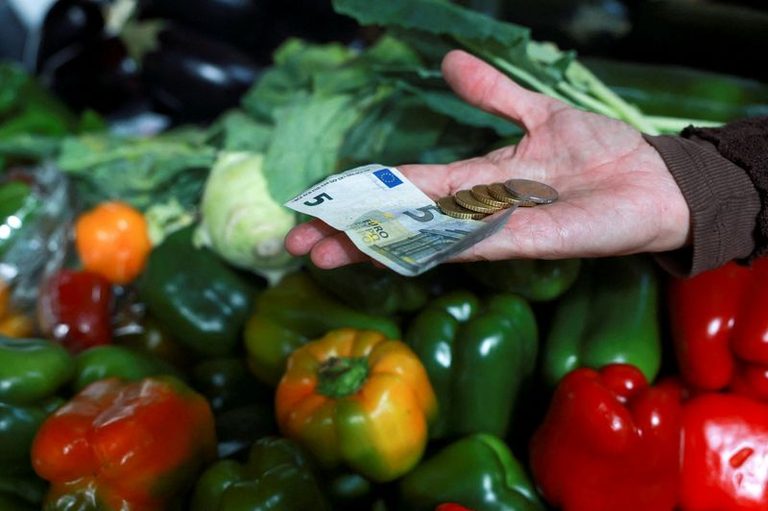
The jump follows an August rate of 2.6% and is primarily attributed to higher energy prices. Petroleum products and gas saw noticeable price gains, pushing the overall index upward. Food prices also accelerated, with fresh produce contributing to the upward pressure.
Domestic price index and sectoral details
France’s domestic consumer‑price index, which excludes the harmonised adjustments for Euro‑zone comparison, rose 3.0% year‑on‑year in September. This figure exceeded the 2.8% forecast and marked an increase from August’s 2.4% rate.
Services inflation edged higher as the seasonal decline in accommodation and transport costs was less pronounced than in September 2025. Meanwhile, the decline in manufactured‑goods prices slowed, adding further support to the overall inflation reading.
Monthly movement
On a month‑to‑month basis, the harmonised index fell 0.4% in September, slightly better than the Reuters forecast of a 0.5% decline and a reversal from the 0.7% gain recorded in August.
Analyst expectations and context
The Reuters poll, which surveyed 19 analysts, had anticipated a modest rise in inflation, reflecting concerns about lingering energy price pressures across the Euro‑zone. The preliminary September figure suggests that those concerns are materialising, at least in the short term.
While the data are still preliminary and subject to revision, they provide an early indication that price pressures remain elevated in France. Policymakers will likely monitor the trend closely as they assess the effectiveness of recent fiscal and monetary measures aimed at stabilising prices.
Looking ahead
Future releases from INSEE will confirm whether the September increase represents a temporary spike or the beginning of a more sustained upward trajectory. Stakeholders, including businesses and households, will be watching for any policy adjustments that could mitigate the impact of higher energy and food costs.
For now, the French economy faces a modest but notable rise in consumer prices, underscoring the importance of prudent budgeting and vigilant economic stewardship.
Original reporting: Appleton, WI News Feed (HLL/CB) — read the source article.