By six in the morning, the coffee is already gone. Not because anyone forgot to make it — Frank Reuben brews a pot at five, sometimes earlier, and by the time the first truck rolls into the gravel lot off Farm-to-Market 740, the regulars have already helped themselves and are leaning against the front counter debating whether the crappie are moving shallow or holding tight to the old bridge pilings on the eastern arm of Ray Hubbard.
Frank Reuben’s Bait & Tackle sits a few minutes east of Rockwall’s downtown grid, on a stretch of road where the retail strips thin out and the land opens up. It’s a low, metal-roofed building with a hand-painted sign that has faded to a kind of dusty gold. Inside, it smells like earthworms and WD-40 and old newspaper, and the shelves run deep with hooks, jigs, slip floats, and every weight of monofilament you’d need for anything that swims in North Texas.
Frank himself — now in his early seventies, with a gray beard he keeps short and a cap from a feed company he’s worn so long the logo has cracked — bought the shop in 1989 after working it part-time through most of the eighties. He’ll tell you he didn’t plan to make it his life. He’ll also tell you he doesn’t know what else he would have done. Most mornings he’s behind the counter by five-thirty, pricing live bait and answering the phone, which still has a cord.
The live bait selection is the reason people drive past newer, shinier options to get here. Frank keeps goldfish, shiners, and perch in aerated tanks along the back wall, and his fathead minnows in particular have a reputation — serious catfish anglers around Rockwall and Fate will tell you flat-out that his stock is livelier and hardier than what you find at the chain sporting goods stores out on the highway. He buys from two suppliers he’s used for over twenty years and checks the tanks himself each morning before the doors open.
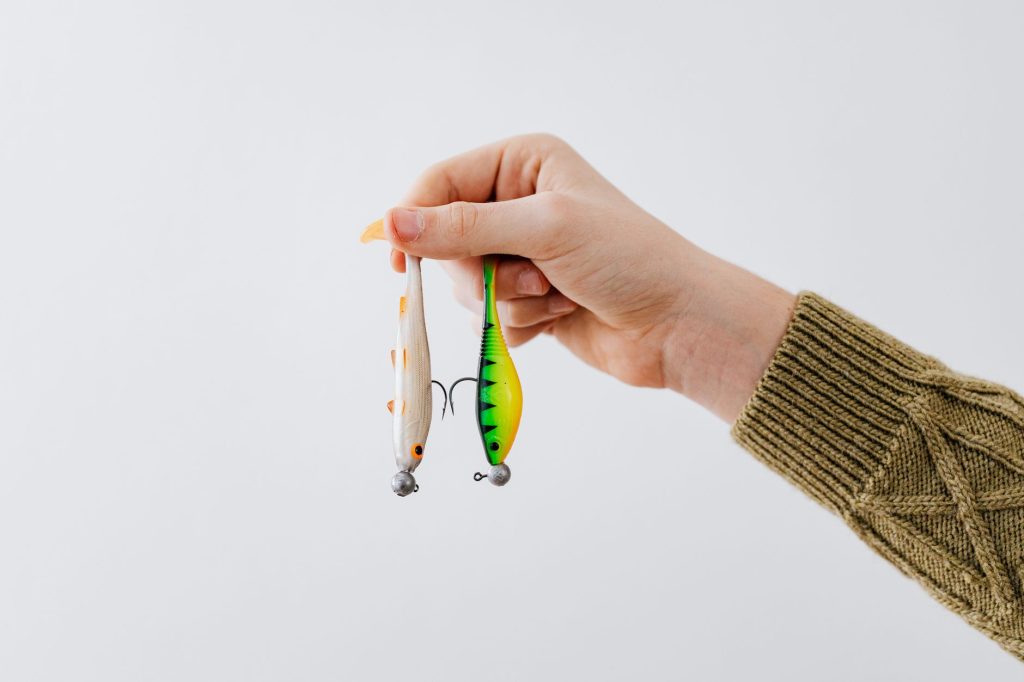
The shop also carries a short but thoughtful selection of rods, reels, and soft plastics, plus a rack of lake maps that Frank updates by hand when the Corps of Engineers changes access points or when a ramp closes for repairs. He knows which ramps launch easily after heavy rain and which ones will have you spinning your tires in the mud. That kind of knowledge isn’t on any app.
A two-dozen count of live shiners runs around six dollars, minnows a little less. A container of nightcrawlers is roughly three. The prices haven’t moved much in years, which Frank attributes not to stubbornness but to the fact that his regulars are working people and he doesn’t see a reason to squeeze them. A one-day fishing license is available at the counter if you forgot to renew yours online.
On weekend mornings, especially in spring when the white bass are running, the parking lot fills up fast. Fathers with kids who’ve never held a rod before. Retired teachers who’ve been fishing Ray Hubbard since it was first impounded. A few younger anglers who found the shop through word of mouth and keep coming back because Frank actually talks to them like they know what they’re doing, even when they don’t yet.
By noon on a weekday it quiets down, and Frank sometimes steps outside to sit in a lawn chair near the door. He’s not closed. He’s just watching the road and giving the morning a little room to settle.