Pennsylvania health officials announced a fourth measles‑associated death on Saturday, bringing the state’s toll to four in just a few weeks. The latest victim was an 18‑year‑old resident of Mifflin County, whose death was attributed to acute disseminated encephalomyelitis, a rare but severe neurological complication of measles, according to the county coroner’s office.
Earlier this week, a 40‑year‑old woman from Jefferson County in western Pennsylvania also died from measles complications. In February, two infants in Lancaster County succumbed to the disease. All four decedents were unvaccinated; the infants were too young for the routine MMR vaccine, which is typically administered at 12 months.
Outbreak Numbers and Historical Context
The Pennsylvania Department of Health reports that the outbreak has now produced nearly 700 confirmed cases across 38 counties, including roughly 100 new infections in the past seven days. These deaths mark the first measles‑related fatalities in the Commonwealth in 35 years.
Nationally, the United States is experiencing its worst measles year since 1991, with seven reported deaths over the past two years—more than the combined total of the previous three decades. The country eliminated endemic measles transmission in 2000 by maintaining vaccination coverage above the 95% threshold needed to prevent outbreaks. Recent declines in that coverage have left communities vulnerable.
State Response and Call for Action
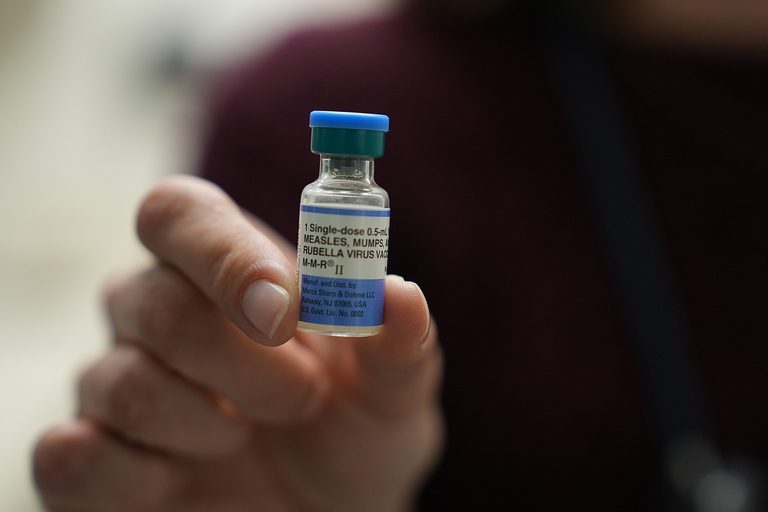
State Health Secretary Dr. Debra Bogen expressed sympathy for the families and emphasized the urgency of the situation: “My thoughts are with the families who have lost loved ones to this highly contagious virus. We remain committed to working with our partners across Pennsylvania to stem this outbreak and prevent more deaths. That means ensuring people have the facts about measles and access to the MMR vaccine, which kept measles outbreaks at bay for decades.”
Local health departments are intensifying outreach, offering free vaccination clinics, and coordinating with schools and faith‑based organizations to raise awareness about the importance of immunization.
Federal Policy Debate
The outbreak has reignited a national debate over vaccine policy. The Trump administration’s health officials, including Health Secretary Robert F. Kennedy Jr., have publicly questioned the safety of vaccines and reduced funding for local vaccination programs. While the administration frames its stance as protecting parental liberty, public‑health experts argue that sowing doubt about vaccine safety undermines decades of progress and endangers vulnerable populations.
We respectfully disagree with the administration’s approach. The scientific consensus, supported by the Centers for Disease Control and Prevention, affirms that the MMR vaccine is safe and effective. Undermining confidence in proven vaccines risks reversing the hard‑won gains that have kept measles at bay for generations.
Looking Ahead
International health officials will convene in November to assess whether the United States and Mexico have lost their measles‑free status. In the meantime, Pennsylvania officials urge residents to verify their vaccination status, seek the MMR shot if they have not received it, and follow public‑health guidance to protect themselves and their families.
Parents, community leaders, and faith‑based groups play a crucial role in combating misinformation and encouraging vaccination. By working together, Pennsylvania can curb the outbreak and safeguard the health of its children and seniors.
Original reporting: Texarkana Gazette — read the source article.