Most people associate Dallas with glass skyscrapers, sizzling steakhouses, and the kind of urban energy that never quite lets you catch your breath. And honestly, that reputation is well-earned. But tucked into the southwestern edge of the city, just past the neighborhood of Duncanville, lies something that will quietly reframe everything you thought you knew about North Texas: Cedar Ridge Preserve, a 633-acre sanctuary of rugged limestone bluffs, cedar-draped canyons, and sweeping prairie grasslands that feels almost impossibly far removed from the Dallas skyline — even though it’s fewer than twenty miles away.
Managed by Audubon Dallas, Cedar Ridge Preserve is one of the finest examples of the Edwards Plateau escarpment in the entire Metroplex, and it rewards visitors who show up curious and willing to slow down. The trail system spans roughly nine miles of interconnected paths, ranging from gentle, flat loops accessible to casual walkers to more adventurous routes that climb the rocky ridgeline and open up to panoramic views stretching across the Grand Prairie. On a clear morning, standing on one of those limestone outcroppings with the wind moving through the juniper, it genuinely takes a moment to remember you’re inside a major American city.
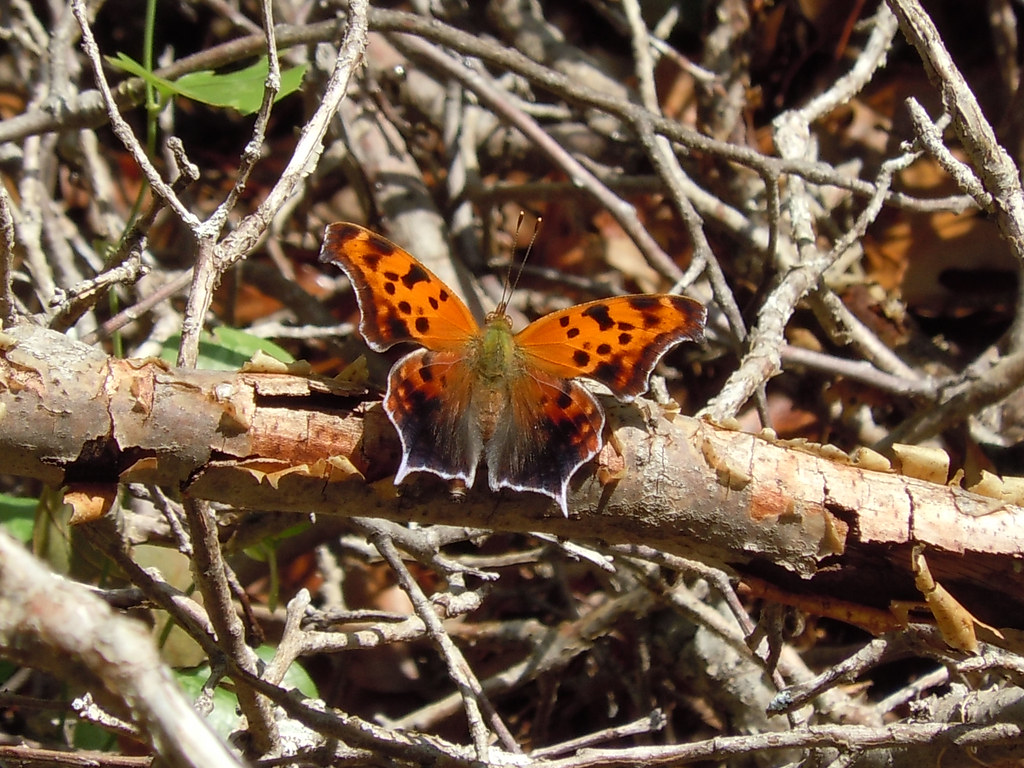
The birding here is exceptional, and that’s not hyperbole. Cedar Ridge sits along the Central Flyway, one of North America’s great migratory bird corridors, which means the species list changes dramatically with the seasons. In spring, you might spot painted buntings flashing through the cedar understory like small living fireworks. Fall brings warblers, raptors, and the occasional golden eagle riding thermals above the bluffs. The preserve’s native plant restorations have created serious habitat, and Audubon’s on-site staff and volunteer guides are genuinely knowledgeable — pop in on a weekend morning and you’ll likely find a guided walk just getting underway.
Even if birds aren’t your particular passion, Cedar Ridge delivers. The wildflower blooms in spring are stunning along the prairie sections, where Texas bluebonnets, Indian paintbrush, and winecup mingle across the grassland. The trails are well-marked and maintained, there are shaded rest areas at thoughtful intervals, and the whole property has a clean, cared-for feeling that reflects years of serious volunteer stewardship. Admission is free, though donations are warmly welcomed and genuinely put to work.
Plan to arrive early, especially on weekends from March through May when the wildflowers peak and the birding is at its most spectacular. Bring water, wear closed-toe shoes — the limestone trail sections can be uneven — and leave the earbuds behind. Cedar Ridge Preserve is the kind of place that asks you to actually listen, and what you’ll hear is worth every quiet moment of it.