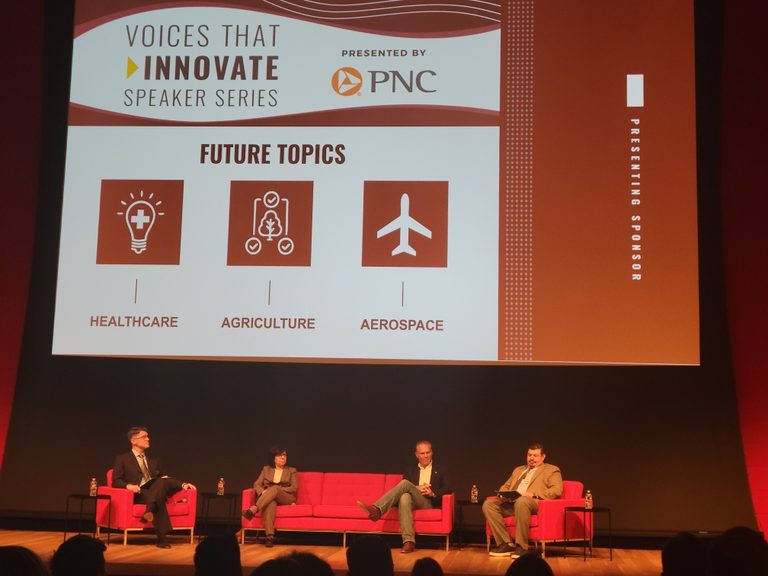
Fort Worth’s aviation heritage is set to usher in a new era of electric and hybrid‑electric vertical‑lift aircraft, often called air taxis, that could soon fly residents above highways and into Dallas‑Fort Worth International Airport. At a Texas A&M‑Fort Worth panel held Aug. 25 at the Kimbell Art Museum, industry leaders emphasized the city’s unique position to benefit from these emerging technologies.
Local innovators and historic roots
Matt Byrd, president and CEO of Hillwood Aviation, called the moment “an inflection point in aviation,” noting that the Wright brothers’ first flight in 1903 paved the way for today’s automated, electric aircraft. Fort Worth’s own aviation milestones— from French aviator Roland G. Garros’s 1911 flight at the former Fort Worth Driving Park to the World War II bomber factories that produced B‑24s and B‑32s—have long made the city a hub for aerospace development.
Workforce training for the next generation
To meet the demand for skilled mechanics, air‑traffic controllers, and other aviation professionals, Texas A&M‑Fort Worth and Tarrant County College have launched specialized workforce programs. Associate dean Ivett Leyva said North Texas is now recognized for its aviation leadership, and the region’s schools are preparing students for the jobs that will keep the new fleet safe and operational.
Commercial drone deliveries already approved
In 2024, the Federal Aviation Administration designated North Texas as the first U.S. area approved for commercial drone deliveries, authorizing companies such as Wing Aviation and Zipline to begin service. This early adoption signals confidence in the region’s regulatory environment and its capacity to support cutting‑edge logistics.
Air taxis on the horizon
Byrd projected that electric air taxis could be available to North Texas passengers as soon as 2027, with a tentative fare of about $3 per mile—roughly $100 for a trip to DFW Airport, offering a fast alternative to congested roadways. He stressed that safety certification will be paramount and that the aircraft’s noise level, around 45 decibels, is comparable to a gentle breeze through trees.
Challenges and future outlook
Developing the necessary infrastructure will require new sources of rare‑earth minerals for batteries, though research into biodegradable battery technology is already underway. Public acceptance remains a key factor; as Byrd noted, “If they don’t perform, no one’s going to fly them.” Nonetheless, the panelists expressed confidence that Fort Worth’s blend of historic aviation spirit and modern innovation will secure its place in this transformative moment.
Original reporting: Fort Worth Report — read the source article.