Fort Worth’s own traffic safety study has identified the city’s most hazardous intersections, giving local leaders concrete data to advance the Vision Zero Safety Action Plan adopted by the City Council in November 2025. The analysis, compiled by the Patterson Law Group from Texas Department of Transportation records, found 197 crashes – including 73 injuries – at the Henderson‑Belknap‑Weatherford corridor between 2021 and 2025.
Key findings from the study
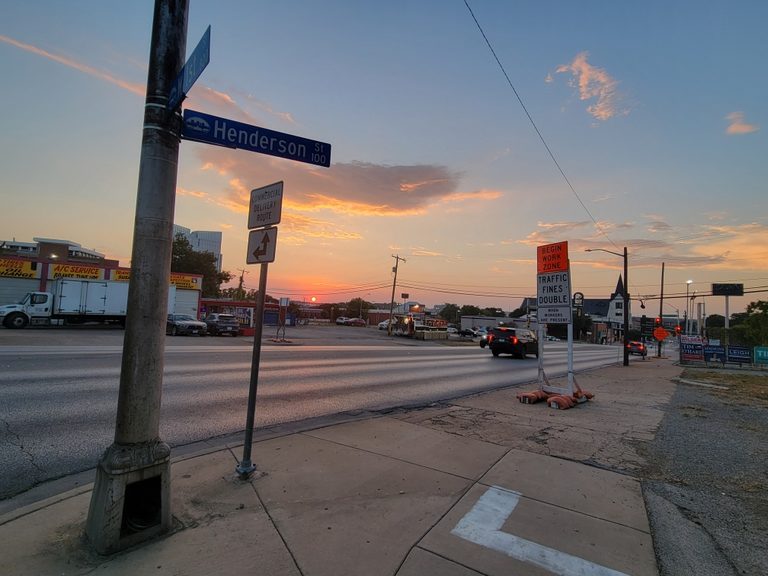
The downtown intersection where Henderson Street meets the one‑way pair of Belknap and Weatherford streets recorded the highest number of incidents. The study attributes much of the danger to lane‑confusion on the one‑way pair; 14% of vehicles were traveling straight when they collided with a left‑turning car. Across Fort Worth, left‑turn movements were involved in roughly 31% of all intersection crashes.
Another hotspot emerged at the junction of Belknap and Weatherford with Grove Street on the opposite end of downtown, where 143 crashes – 33 of them resulting in injuries – were logged. The Fort Worth Stockyards also saw a sharp rise in crashes at North Main and NW 28th, especially during weekday afternoon rush hour.
When and why crashes happen
Timing matters. While many collisions occurred at dawn or dusk, the study highlighted the 4 p.m. to 5 p.m. window on Fridays as the single most dangerous period for motorists. Pedestrians were involved in only 2% of crashes, yet the city recorded 157 traffic‑related deaths overall and 31 fatalities at intersections during the five‑year span.
City response: Vision Zero in action
Fort Worth’s Vision Zero strategy, adopted by the City Council in November 2025, aims to eliminate all traffic fatalities and severe injuries while promoting safe, equitable mobility for every resident. The plan calls for a detailed review of the top 50 crash sites and a comprehensive study of speed limits on residential and collector roads.
To fund these efforts, the city secured a $524,382 grant from the Federal Highway Administration. This federal support underscores the administration’s commitment to protecting families and preserving the sanctity of life on our streets.
Regional collaboration for safer routes
The North Texas Council of Governments (NCTCOG) is partnering with local municipalities and school districts to expand Safe Routes to Schools initiatives. These programs provide technical assistance, planning support, and infrastructure funding to create secure walking and bicycling paths for students.
On Oct. 7, NCTCOG will host a Walk & Roll to School Day, encouraging schools across North Texas to promote walking and biking. “Creating a safe travel environment for our region’s students requires coordinated regional planning alongside community participation,” said Shawn Conrad, program manager for land‑use and mobility options at NCTCOG.
Practical advice for motorists
Fort Worth Police Officer Daniel Segura offered a simple reminder: “My main advice for any motorist at an intersection is to slow down and always be aware of your surroundings while crossing it.” This common‑sense counsel aligns with the city’s broader push for defensive driving and heightened vigilance during peak traffic periods.
Looking ahead
With data‑driven insights and federal resources in hand, Fort Worth is poised to make measurable progress toward Vision Zero. By focusing on the most dangerous corridors, improving signage, and encouraging responsible driving habits, the city is taking concrete steps to safeguard families, uphold community values, and preserve the right of every citizen to travel safely.
For ongoing updates on the Vision Zero initiative and upcoming safety events, residents can visit the City of Fort Worth’s official website or follow local news outlets.
Original reporting: Fort Worth Report — read the source article.