Fort Worth officials are confronting rapid growth in the data‑center industry while trying to preserve the character of established neighborhoods. On Tuesday, the city’s newly formed Data Center and Infrastructure Commission will unveil its first report, offering 19 recommendations that could reshape how the municipality handles future data‑center projects.
Commission’s recommendations focus on oversight and community impact
The recommendations were developed after months of study by the commission, which was created in August by the Fort Worth City Council to take a closer look at the industry’s expansion. Key proposals include:
- Implementing a moratorium on new data‑center construction until comprehensive zoning guidelines are adopted.
- Requiring detailed environmental and noise impact studies for any new facility.
- Establishing clear setbacks from residential areas, schools, and historic sites.
- Creating a transparent permitting process that includes public notice and a hearing period.
- Forming a standing advisory board of local residents, business owners, and technical experts to monitor ongoing projects.
City staff say the recommendations aim to balance economic benefits—such as jobs and tax revenue—with the legitimate concerns of neighbors who fear noise, traffic, and changes to community character.
Neighbors voice historic preservation concerns
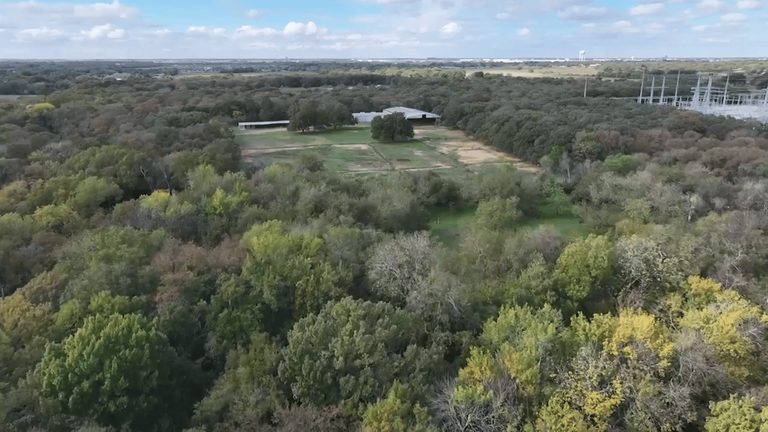
In south Fort Worth, the debate is personal for longtime resident Jackson Weston, president of the historic Weston Gardens property. Weston, whose family has lived behind the garden for generations, expressed worry that a proposed data‑center development by Black Mountain could alter the area’s historic feel.
“History is really important to us,” Weston said. “Preservation of what’s been here for centuries is important to us.” He added that his family was notified of the proposal last year and immediately began asking about potential noise levels and visual impact.
“We immediately had a lot of questions,” Weston explained. “What’s the sound going to be like? How loud is it going to be?”
City’s data‑center landscape and previous attempts at regulation
Fort Worth currently hosts four operational data centers, the oldest dating back to 2000, according to a June presentation by city staff. One additional facility is under construction, and four more are in the pipeline. As the industry has expanded, resident pushback has grown, prompting city leaders to consider where future facilities should be sited and how they should be regulated.
Earlier this year, city staff proposed new data‑center rules, but the Fort Worth Zoning Commission rejected those recommendations in July, citing disagreements over the stringency of the proposed amendments. In response, the City Council launched the moratorium process and established the special commission that is now presenting its findings.
Next steps for council and public input
The commission’s presentation is scheduled for a special‑called work session at City Hall at 4 p.m. on Tuesday. The session will be followed by a City Council meeting at 6 p.m., which will include the first public hearing on the legal process to enact a data‑center moratorium.
Council members are expected to weigh the commission’s recommendations, consider public comments, and decide whether to move forward with a formal moratorium while the city crafts longer‑term zoning standards. Proponents argue that a pause will give the city time to develop thoughtful regulations that protect historic neighborhoods and ensure responsible growth. Critics worry that a moratorium could deter investment and limit job creation in a sector that contributes significantly to the local economy.
For residents like Weston, the hope is that the city will adopt a cautious approach that safeguards the community’s heritage while still allowing responsible development.
“I grew up in the house behind us,” Weston said, walking the grounds of Weston Gardens. “Played out here as a kid. It was my backyard. Still kind of is.”
The outcome of Tuesday’s meetings will set the tone for how Fort Worth balances technological advancement with the preservation of its historic neighborhoods.
Original reporting: Dallas TX News (HLL/CB) — read the source article.