Fort Worth residents will soon enjoy a new park that safeguards a rare piece of World War I aviation history. On Oct. 13, the Fort Worth City Council voted to add a highly significant endangered overlay to the existing one‑family residential zoning for a .39‑acre parcel on the western end of the 2700 block of Muscogee Drive, just under two miles from the historic Hicks Field.
Historic significance and preservation effort
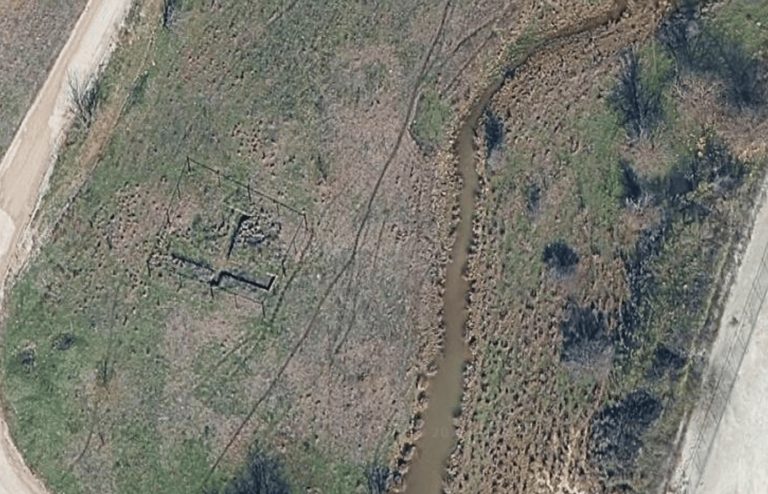
The site is the last surviving portion of Taliaferro Field No. 1, one of three airstrips the U.S. Army Air Service built in early 1917 after America entered the war. The field trained 300 pilots from the Royal Flying Corps Canada, and its distinctive airplane silhouette—originally cut into the ground for target practice—remains visible in satellite imagery.
City staff identified the parcel during a 2002 U.S. Army Corps of Engineers project and, after a 2023 historical survey, classified it as a highly significant endangered landmark. Council members followed the recommendation of the Historic and Cultural Landmark Commission to layer the endangered overlay atop the current residential zoning, providing the highest level of protection for a historic site in Fort Worth.
Community benefits and park plans
Jim Hodgson, executive director of the Fort Worth Aviation Museum, praised the council’s decision, saying the museum’s long‑term preservation work will now culminate in a developer‑initiated park. “Most people don’t know about it,” Hodgson said. “The developer is going to make the site into a park to inspire kids to go into aviation.” He added that the park will give families a tangible link to the city’s aviation legacy, especially for newcomers who may be unaware of the area’s historic role.
Jerre Tracy, executive director of Historic Fort Worth, echoed that sentiment, noting the overlay mirrors recent council actions to protect other endangered sites, such as the former TXU North Main power plant along the Trinity River. “That’s the highest level of protection for a historic site,” Tracy said. “We are confident that it is worthy.”
From training field to modern neighborhood
The airstrip, originally part of the Hicks Ranch, was constructed quickly in 1917. Pilots practiced by firing at the concrete‑set airplane silhouette, which was sprayed with water so trainees could see bullet impacts. The field featured 18 hangars, trenches, and zip‑lines for pilot training. Some of today’s homes in the emerging housing development rest on the foundations of those original hangars.
Fort Worth was one of several cities that competed for training airfields during the war, and it remains the only Texas city to have hosted three such fields. The other two—later renamed Everman and Carruthers—also contributed to the region’s aviation heritage.
Looking ahead
As the surrounding neighborhood continues to grow with hundreds of new homes near Eagle Mountain High School, the preserved airstrip will serve as an educational landmark. Residents will be able to walk the site, view the airplane silhouette, and learn how Fort Worth contributed to the nation’s war effort.
The council’s decision reflects a broader commitment to preserving Fort Worth’s cultural fabric while accommodating responsible development. By safeguarding this piece of history, the city not only honors its past but also provides a meaningful, family‑friendly space for future generations.
Original reporting: Fort Worth Report — read the source article.