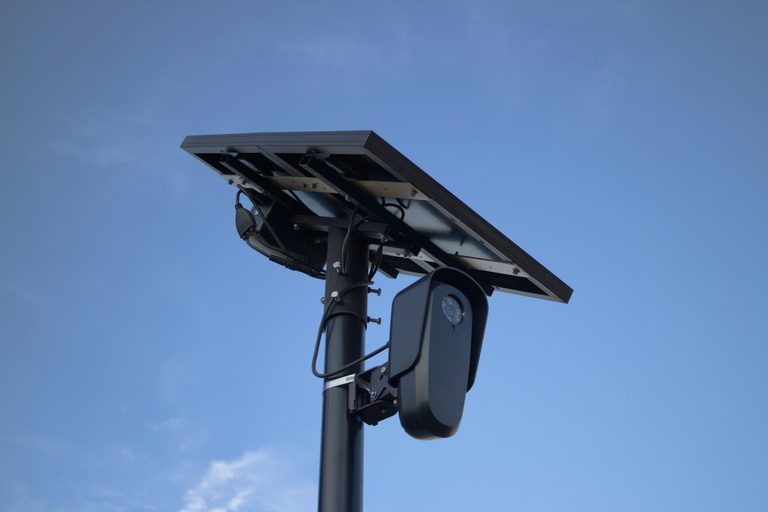
Fort Wayne, Indiana – The Fort Wayne City Council is set to vote on August 25 whether to extend its one‑year contract with Flock Safety, the company that provides automated license‑plate reader (ALPR) cameras. The contract, valued at $120,000, currently covers 36 Flock cameras that police say help identify vehicles linked to serious crimes, stolen cars, wanted persons and missing individuals.
Local officials weigh benefits and privacy concerns
City council members will hear arguments from both sides of the debate. Police officials stress that the system is an investigative tool, not a broad surveillance network, and point to internal policies that prohibit general surveillance and automated traffic enforcement. They also note that a recent trial of Flock’s audio‑detection feature was ended, leaving only the license‑plate reading function in place.
Community members, however, have raised questions about privacy, data access, and how vehicle‑location information might be shared. Public comments at recent council meetings have focused on the need for stronger safeguards to protect residents’ personal information.
State‑wide guardrails proposed by Indiana FOP
Mitch McKinney, vice president of the Indiana State Fraternal Order of Police and a retired Fort Wayne Police sergeant, says the debate in Fort Wayne highlights a larger statewide need. McKinney told Fort Wayne’s Morning News that the Fraternal Order of Police is already working with its executive board, lobbyists, and other law‑enforcement groups to draft legislation that would set clear rules for ALPR use and impose criminal penalties for improper application.
“If you decide that you want to use this investigative tool in a negative way, then that should be a criminal penalty for law enforcement,” McKinney said. He argues that the technology should be treated as an investigative aid used after officers have entered credible information about a crime or suspect, rather than as a blanket surveillance system.
Under McKinney’s proposal, misuse would move beyond internal disciplinary action and be handled by the courts, removing the matter from internal affairs and ensuring consistent legal consequences. He emphasized that the FOP is discussing the issue with state lawmakers, the Indiana Association of Chiefs of Police, and local mayors, and is ready to work with any legislator willing to sponsor such a bill.
Local action possible while state law is pending
McKinney also noted that cities do not have to wait for state legislation to adopt their own restrictions, provided those local ordinances do not conflict with future state law. Fort Wayne and other Indiana municipalities could therefore enact tighter controls on how ALPR data is accessed, stored, and shared.
As the council prepares to vote, the outcome will signal how Fort Wayne balances the investigative advantages of the Flock system with the community’s privacy expectations. The decision will also inform whether other Indiana cities follow suit with local safeguards while the state considers broader legislation.
Next steps
If the council renews the contract, the city will continue using the 36 cameras under existing policies and auditing procedures. If the contract is not renewed, Fort Wayne will need to explore alternative technologies or negotiate new terms that address the privacy concerns raised by residents.
The Indiana FOP’s push for statewide guardrails adds a legislative dimension to the local conversation, suggesting that future Indiana law may define how law‑enforcement agencies across the state can employ automated license‑plate readers.
Original reporting: WOWO News/Talk (Fort Wayne) — read the source article.