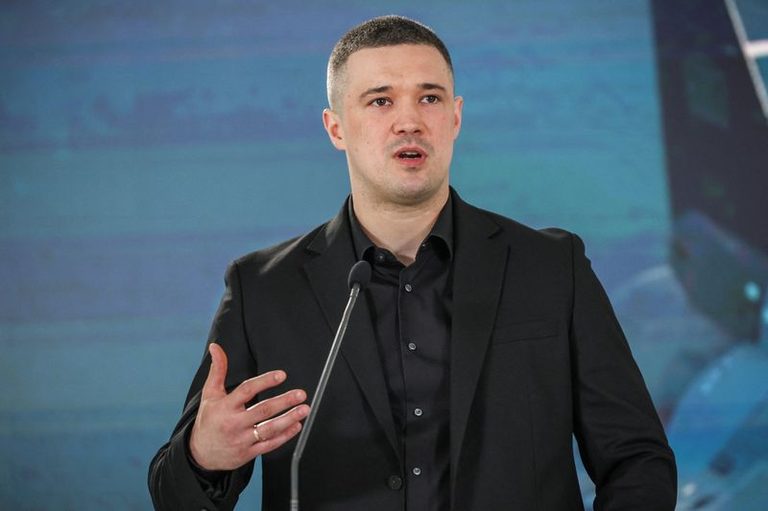
Kyiv – In a video address posted to YouTube on Tuesday evening, former Ukrainian defence minister Mykhailo Fedorov called for the nation to hold elections even while the country remains at war. Fedorov, who was dismissed from the defence ministry in July after only six months in the post, said Ukraine faces a “systemic crisis of governance” that threatens its ability to continue the fight against Russia.
Legal backdrop and political context
Ukraine’s current law prohibits holding elections during a state of war, a measure intended to preserve stability while the country confronts an ongoing invasion that began in February 2022. Fedorov’s demand marks the first public call for wartime elections from a senior Ukrainian political figure since the conflict began.
Speaking in the video, the 35‑year‑old former minister argued that “democracy cannot be held hostage by Russia” and that Ukraine must find a “legal, safe and realistic mechanism” to renew its democratic process despite the prolonged conflict. He framed the issue as a constitutional concern, emphasizing the need to protect citizens’ right to choose their leaders even under extraordinary circumstances.
Critique of the current administration
Fedorov’s remarks appeared to challenge President Volodymyr Zelensky directly. He described the existing system as one that “lives by its own rules too often,” suggesting it protects itself and resists change. While he did not name specific officials, Fedorov accused unnamed officials of corruption that, in his view, undermines the war effort.
He also linked his own removal from the defence ministry to his attempts at reforming procurement processes that handle billions of dollars in equipment purchases. Fedorov claimed that his push for greater transparency and efficiency in defence spending contributed to his dismissal.
Reactions and implications
Zelensky’s office did not immediately comment on Fedorov’s statements. Analysts note that the former minister’s call could intensify internal debates about governance, accountability, and the balance between security and democratic rights during wartime.
International observers have warned that holding elections amid active conflict could expose voters to danger and potentially destabilize the country’s unified front against the Russian invasion. However, proponents of Fedorov’s view argue that postponing democratic processes for too long may erode public trust and fuel dissent.
Constitutional and parental‑rights considerations
The debate touches on broader constitutional principles, including the right of citizens to participate in free elections and the government’s duty to safeguard those rights even in crisis. While the issue is primarily political, it also raises questions about how families and communities can maintain a sense of normalcy and civic engagement when daily life is disrupted by war.
For now, the Ukrainian parliament has not indicated any intention to amend the wartime election ban, and the discussion remains largely within the realm of public discourse and political commentary.
Looking ahead
Fedorov’s call adds a new dimension to the ongoing conversation about Ukraine’s governance during the conflict. Whether his appeal will lead to legislative change or remain a symbolic challenge to the current administration is uncertain. The situation underscores the tension between maintaining security and preserving democratic freedoms—a balance that will continue to shape Ukraine’s political landscape as the war persists.
Original reporting: Appleton, WI News Feed (HLL/CB) — read the source article.