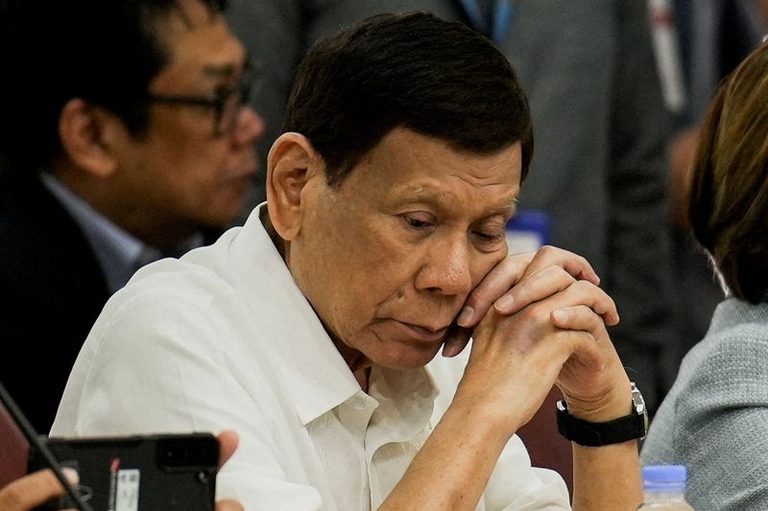
In a rare public moment, former Philippine president Rodrigo Duterte, 81, entered the International Criminal Court (ICC) courtroom in The Hague on Wednesday. The appearance marked his first public outing since his transfer to the court 18 months ago to face murder charges stemming from his anti‑drug campaign.
Health hearing focuses on fitness for trial
The hearing centered on Duterte’s health and whether he is capable of standing trial, which is slated to begin in November. Duterte, dressed in a black suit and white shirt, did not speak during the proceedings. His legal team argued that he suffers from cognitive decline and is not medically fit to endure a full trial.
ICC officials scheduled the health assessment to determine if the former leader can participate in the upcoming proceedings. The court’s decision will influence the timeline for the case, which has drawn international attention due to the scale of the alleged crimes.
Background on the ICC case
Duterte’s anti‑drug campaign, launched during his presidency from 2016 to 2022, resulted in thousands of extrajudicial killings, according to human‑rights groups. The ICC opened a formal investigation in 2021, ultimately issuing an arrest warrant for Duterte in 2023. After his term ended, he was transferred to The Hague to face the charges.
While the former president has consistently denied wrongdoing, the court’s focus on his health underscores the procedural complexities of trying a former head of state for alleged war‑time crimes.
International reaction
Human‑rights advocates have welcomed the ICC’s continued pursuit of accountability, emphasizing that no individual should be above the law. Critics of the court, however, argue that the process is politically motivated and question the feasibility of a fair trial given Duterte’s advanced age.
Observers note that the outcome of the health hearing could set a precedent for how the ICC handles cases involving elderly defendants with alleged cognitive impairments.
What’s next?
If the court determines that Duterte is medically unfit, the trial may be postponed or alternative legal mechanisms could be considered. Conversely, a finding that he is fit to stand trial would keep the November schedule on track, moving the case forward toward a substantive hearing on the alleged murder charges.
The international community will watch closely as the ICC balances the demands of justice with the practical realities of prosecuting a former leader in his eighth decade of life.
Original reporting: Appleton, WI News Feed (HLL/CB) — read the source article.