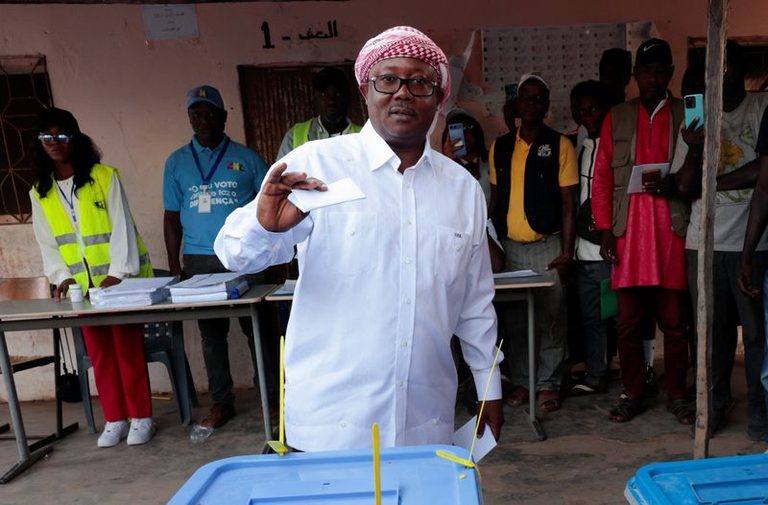
Former Guinea‑Bissau President Umaro Sissoco Embalo is set to return to Bissau on October 4, according to a source familiar with his plans. The ex‑leader intends to run for the presidency in the national election scheduled for December 6, 2026.
Coup and Transitional Government
Embalo was removed from office in a military coup in November 2025, just days before the official results of the presidential and legislative elections were to be announced. Senior army officers halted the electoral process and installed Major‑General Horta Inta‑a as transitional president. The military‑led authorities later set new dates for both presidential and legislative elections, now slated for December 6.
Campaign Preparations and Government Stance
According to a source close to Embalo, his campaign organization has not yet been finalized. The same source said the transitional government has assured the former president that he is “welcome” to return to the country. A government spokesperson declined to comment when approached for a statement.
Embalo’s Exile and Uncertain Residency Eligibility
Since the coup, Embalo has been living abroad, first in Senegal and later in the Republic of Congo. Reuters could not verify his current whereabouts. In August, Guinea‑Bissau approved a new constitution in a national referendum. The charter expands presidential powers and modifies electoral rules, including a provision that requires candidates to have lived continuously in the country for the five years preceding the election. It remains unclear how this residency requirement will affect Embalo’s candidacy, given his recent exile.
Country Context
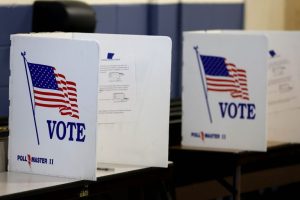
Guinea‑Bissau, a small Portuguese‑speaking West African nation, has a long history of military coups and serves as a transit hub for cocaine destined for Europe. The upcoming election will be closely watched both domestically and internationally as a test of the country’s political stability and the effectiveness of its new constitutional framework.
What Comes Next
Embalo’s return and potential candidacy add another layer of complexity to an already volatile political landscape. Observers will be monitoring how the transitional authorities handle his participation, especially in light of the new residency clause. The December election will determine whether Guinea‑Bissau can move beyond its pattern of military interventions and establish a more durable democratic order.
Original reporting: Appleton, WI News Feed (HLL/CB) — read the source article.