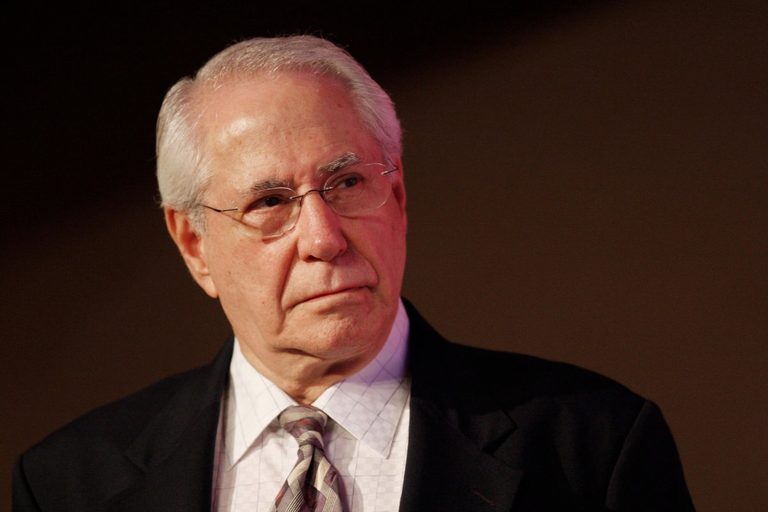
Henry Williams and David Oks, the duo once known as the “Gravel Teens” for hijacking former Alaska Senator Mike Gravel’s Twitter account in 2019, announced this month that they have joined OpenAI’s Strategic Futures team. The pair said they will help the artificial‑intelligence firm prepare for the long‑range political‑economic impacts of super‑intelligent systems.
From viral left‑wing stunt to Silicon Valley AI lab
Williams and Oks first gained attention by posting a series of provocative messages under Gravel’s name, highlighting wealth inequality and criticizing centrist Democratic messaging. Their stunt went viral, spawning a mock presidential campaign and later the Gravel Institute, a nonprofit that produced progressive policy videos before shutting down in 2022.
After the institute’s closure, both men pursued careers in finance, journalism and international economics, earning degrees from Columbia and Oxford. By 2025 they had moved to the Bay Area, where OpenAI, now valued at over $850 billion, was expanding its policy‑research operations.
Dean Ball brings Trump‑era experience to OpenAI
OpenAI hired the pair under the direction of Dean W. Ball, a former AI policy adviser to President Donald Trump and longtime figure in conservative think‑tank circles. Ball described Strategic Futures as a unit that “thinks about the long‑range political economy and political theory outcomes from technologies like super intelligence and highly capable AI systems.” He praised Williams and Oks for their analytical abilities, saying they “hit the ground running” and are “dedicated” to the mission.
Ball emphasized that hiring decisions are based on talent, not political affiliation, noting, “I hire smart people, that’s what it comes down to. I don’t care about their politics.” The move reflects OpenAI’s broader strategy of bringing diverse viewpoints into its policy work as it grapples with the societal implications of transformative AI.
Why the hire matters for the nation
The appointment underscores the growing intersection of technology, public policy and partisan experience. As AI systems become more capable, questions about job displacement, regulatory frameworks and national security are increasingly front‑page issues. The Trump administration, through advisers like Ball, advocated for a strong national stance on emerging technologies, and OpenAI’s recruitment of former Trump staff signals a willingness to engage with those policy perspectives.
OpenAI’s co‑founder Sam Altman has warned that certain occupations, such as customer‑service roles, could disappear “totally, totally” as AI advances. By adding analysts with experience in political strategy, the firm aims to anticipate how AI could reshape the labor market, influence political discourse and affect constitutional freedoms.
Local relevance and broader implications
While the story is national in scope, the hiring of Williams and Oks may have ripple effects for local economies and communities. As AI tools become integrated into businesses across the country, workers in manufacturing, retail and service sectors could face rapid changes. Understanding the policy outlook from teams like Strategic Futures can help local leaders, faith‑based organizations and families prepare for potential disruptions.
For parents and community members concerned about the future of work, the development highlights the importance of strong family values, faith‑based guidance and constitutional protections as society navigates technological upheaval.
Original reporting: KTVZ (Central Oregon) — read the source article.