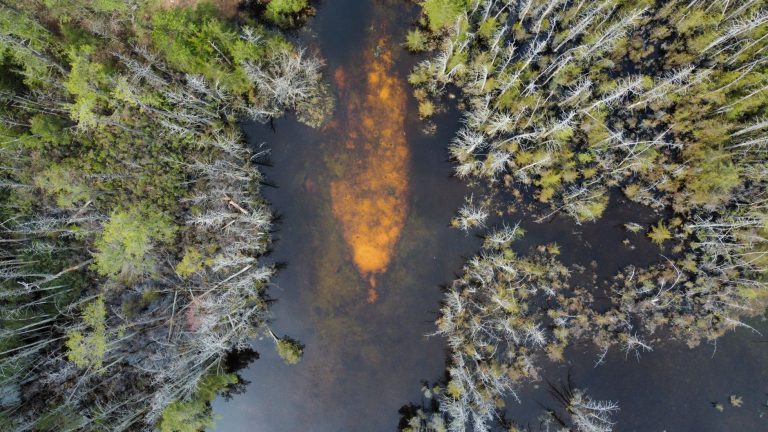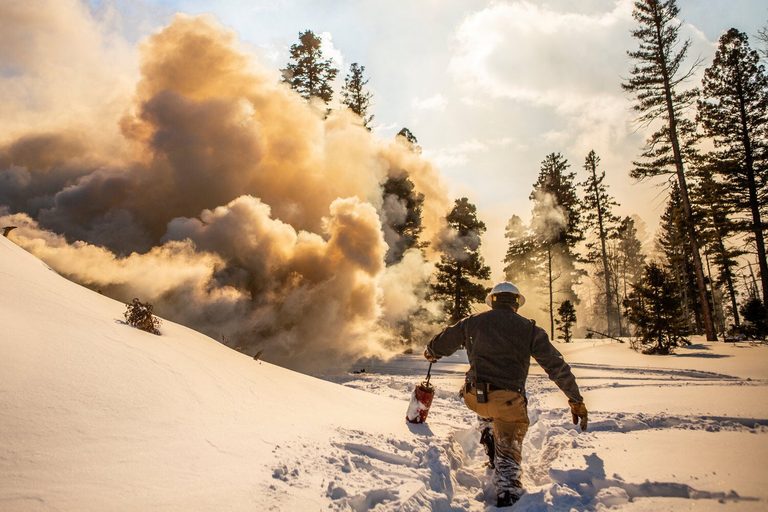
After a hot, dry year, the cooler temperatures and increased precipitation of this fall have given the U.S. Forest Service a rare window to conduct prescribed pile burns in Taos County. The agency treated 411 acres of the Willow Piles south of the Tusas Valley, using controlled fire to reduce excess fuel and protect both forest ecosystems and nearby communities.
Why prescribed burns matter
Decades of fire‑suppression policies have left many New Mexico forests dense and overgrown, raising the danger of catastrophic wildfires. The Forest Service explains that “properly managed fire—both planned and unplanned—is a tool for restoring these fire‑dependent ecosystems.” When weather and fuel conditions are right, prescribed fire is a cost‑effective way to lower the likelihood of uncontrolled wildfires and to promote healthy forest regeneration.
Current operations and safety measures
According to Zach Behrens, spokesperson for the Carson National Forest, the Willow Piles project is now under patrol and monitor status until the fire is fully extinguished. Crews will remain on scene, using infrared technology to detect lingering heat and to secure control lines. Depending on weather, this monitoring can continue for weeks or even months.
The Forest Service’s release from Oct. 29 noted that any further ignitions will only proceed after “weather and fuel conditions are safe and conducive for burning.” Each day a test burn will be conducted to assess fire behavior before full ignitions begin.
Recent burn history and new protocols
Prescribed ignitions in the Willow Piles area in 2023 marked the first controlled burn on the Carson National Forest since the historic Hermits Peak‑Calf Canyon wildfire of 2022, which burned over 340,000 acres across Taos, San Miguel and Mora counties. After that megafire, former U.S. Forest Service Chief Randy Moore halted all prescribed burns for 90 days to review the agency’s fire program. New protocols now require ignition authorizations to be valid for only 24 hours, after which conditions must be reassessed.
Other treatment areas
In addition to the Willow Piles, crews began ignitions on Oct. 17 in the Comanche‑Powderhouse prescribed fire area of Valle Vidal. The combined treatment area covers 13,606 acres, targeting understory fuels such as leaf litter, downed branches and brush. Earl Hidayetoglu, the forest’s public affairs officer, described the burns as a “mosaic pattern” that will not cover every square inch but will create strategic openings in the canopy.
Approximately 1,960 acres of the Comanche Unit have already been treated; the remainder is on hold until conditions become favorable again. Hidayetoglu called the recent weather a “Goldilocks” situation—neither too dry nor too wet—allowing crews to move forward with limited ignitions before conditions shifted.
Looking ahead
Forest Service officials say they will continue to evaluate daily weather forecasts and will pursue additional treatments when safe windows arise. No new ignitions are planned as of Nov. 2, but the agency remains ready to act when conditions align, reinforcing its commitment to protecting Taos County’s wildland‑urban interface and preserving the health of New Mexico’s forests.
Residents of the nearby Turley Mill community can take comfort that the Forest Service is prioritizing safety, monitoring, and transparent communication throughout the burn process.
Original reporting: Taos News — read the source article.